Begin typing to search, when autocomplete results are available use up and down arrows to review and enter to select. Selecting an options will take you to a new page. Touch device users, explore by touch.SEARCH
Search within a riding style, select an optionBegin typing to search, when autocomplete results are available use up and down arrows to review and enter to select. Selecting an options will take you to a new page. Touch device users, explore by touch.
Free shipping on orders over $79 to Illinois
Orders over $79.00 will receive free shipping. This is a residential delivery service, deliveries Monday through Friday from 9:00am to 8:00pm.
How should I choose chest armor for combined ATV and street use?
Prioritize CE Level 2 chest and back protection (look for EN 1621-3 and EN 1621-2 certifications) for the best impact absorption, then pick materials like D3O or repeat-performance foams for mobility, plus perforation or mesh for ventilation and enough coverage for torso and sides.
Which chest armor styles work best for ATV/off‑road versus street riding?
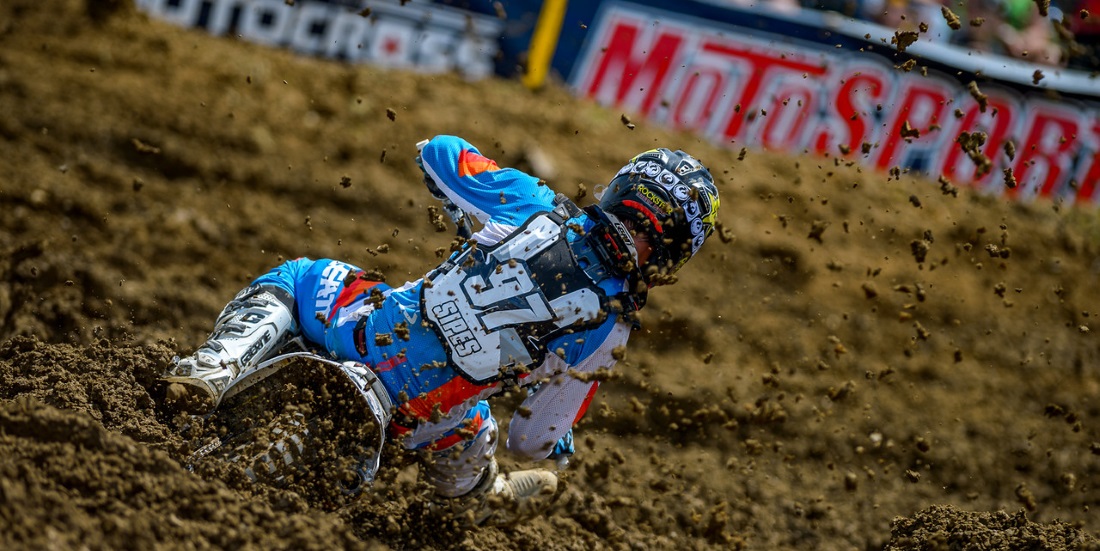
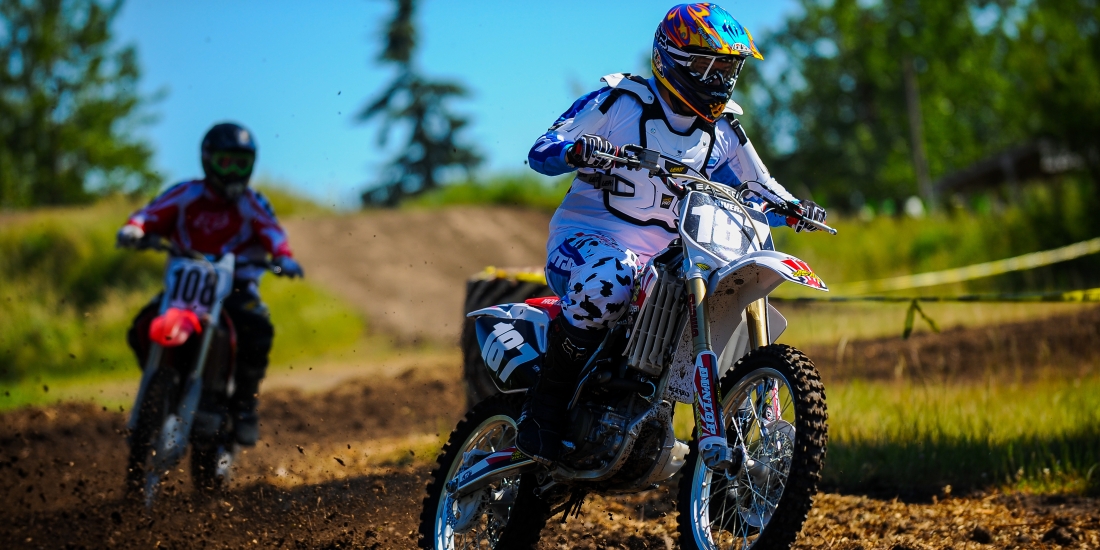
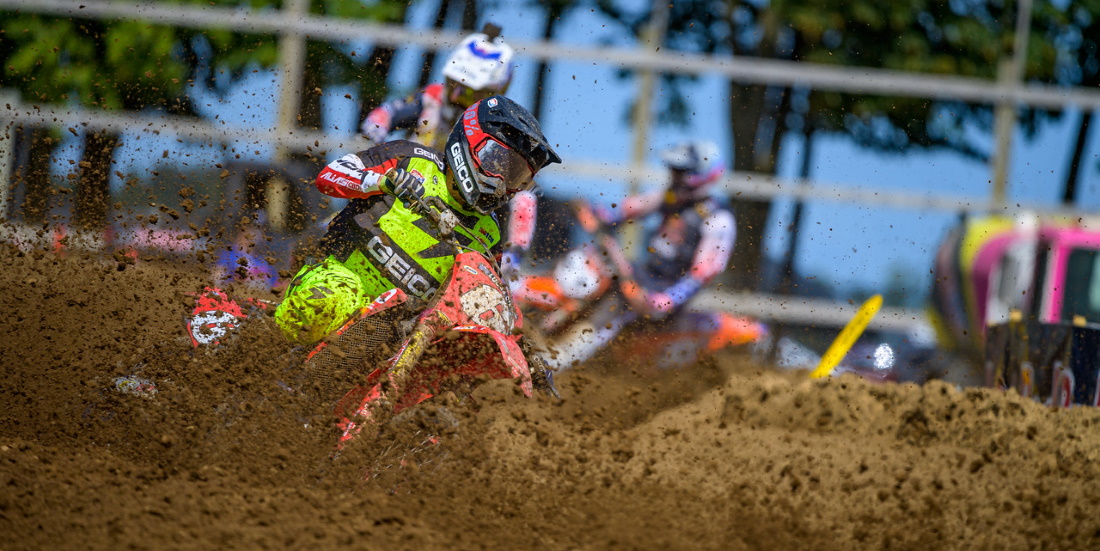
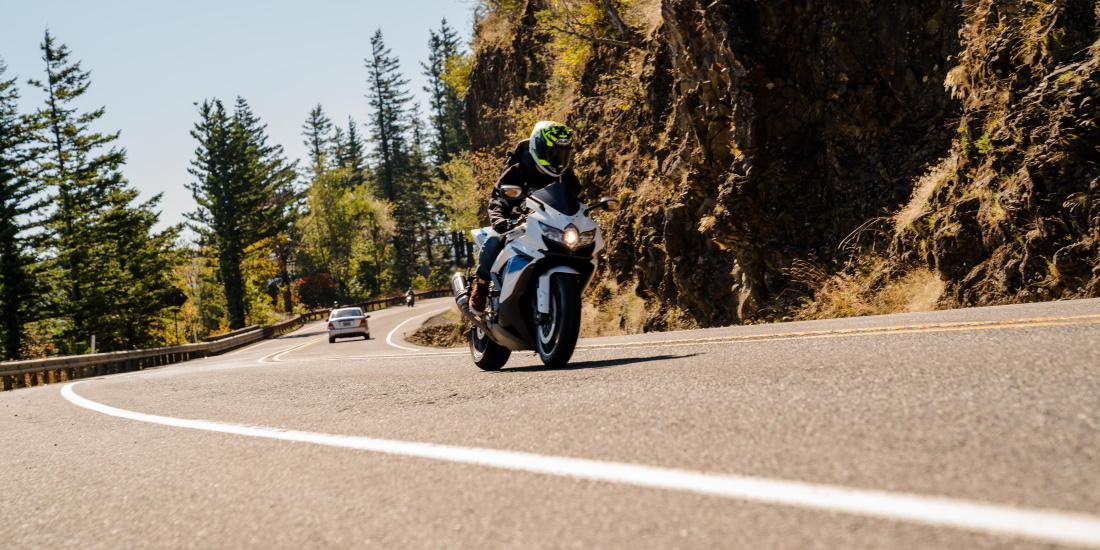
Off‑road and ATV setups benefit from flexible, full‑coverage chest and back solutions with good ventilation and abrasion resistance, while street riders often prefer slimmer, perforated inserts or vests and may opt for airbag systems for high‑energy impacts.
What should I look for when buying aftermarket chest armor for these platforms?
Focus on certified protection level first, then match materials/compounds—intelligent foams, injection shells, and ventilated designs—to your riding conditions, and choose the mounting style (inserts, stand‑alone vests, or jacket pockets) that gives secure alignment and unrestricted movement.
How do I care for and inspect chest armor to keep it protective?
Regularly check for compressed or torn foam, damaged shells, and stretched straps, keep textile covers clean and dry, avoid harsh chemicals and prolonged sun exposure, and replace armor after any significant impact or visible structural damage.
How can I balance a low‑profile style with real safety on and off the road?
Opt for certified Level 2 protection where risk is higher and choose thin or perforated constructions for concealment and comfort when needed, but always pair chest protection with a compatible back solution and prioritize certified materials over looks for crash scenarios.