Begin typing to search, when autocomplete results are available use up and down arrows to review and enter to select. Selecting an options will take you to a new page. Touch device users, explore by touch.SEARCH
Search within a riding style, select an optionBegin typing to search, when autocomplete results are available use up and down arrows to review and enter to select. Selecting an options will take you to a new page. Touch device users, explore by touch.
Free shipping on orders over $79 to Illinois
Orders over $79.00 will receive free shipping. This is a residential delivery service, deliveries Monday through Friday from 9:00am to 8:00pm.
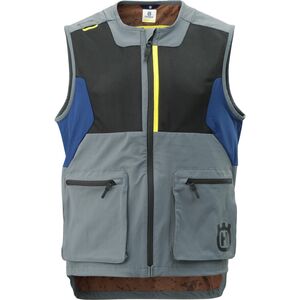
Why choose a textile vest for UTV and off-road riding?
Textile vests use lightweight, breathable mesh and synthetic fabrics to maximize airflow and moisture-wicking for hot-weather dirt bike, ATV, and UTV riding while preserving mobility and reducing rider fatigue.
What protective features should I expect from a textile vest?
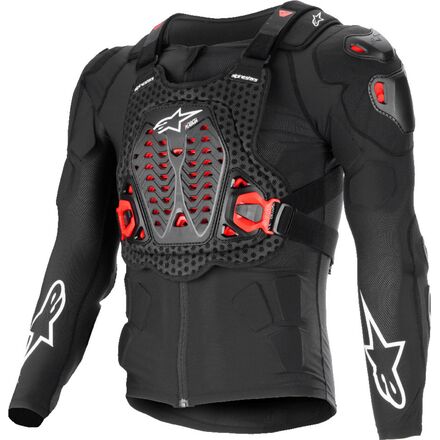
Expect armor-compatible pockets or built-in padding at the back, shoulders, and chest plus abrasion-resistant high-denier panels that provide impact protection without the bulk of heavy leather.
Which terrains and riding styles are textile vests best suited for?
They shine on aggressive off-road trails, dusty conditions, and mixed on/off-road adventure where ventilation and low weight matter, and they also work for warm-weather street use but aren’t ideal for extreme cold or very high-speed track riding.
What features should I prioritize when shopping for a UTV textile vest?
Look for mesh panels or perforation for ventilation, moisture-wicking fabrics, adjustable straps for a secure riding posture, reinforced abrasion-resistant panels, and armor insert compatibility or included protection; opt for water-resistant variants if you expect wet conditions.
How do textile vests layer with other gear and how should I maintain one?
They layer easily with chest/back protectors and hydration packs thanks to adjustable fittings—follow the garment care label, air-dry and avoid harsh chemicals, and routinely inspect armor, seams, and reinforced panels to extend service life.