Begin typing to search, when autocomplete results are available use up and down arrows to review and enter to select. Selecting an options will take you to a new page. Touch device users, explore by touch.SEARCH
Search within a riding style, select an optionBegin typing to search, when autocomplete results are available use up and down arrows to review and enter to select. Selecting an options will take you to a new page. Touch device users, explore by touch.
Free shipping on orders over $79 to Illinois
Orders over $79.00 will receive free shipping. This is a residential delivery service, deliveries Monday through Friday from 9:00am to 8:00pm.
How do neck braces protect riders and which riding styles are they best for?
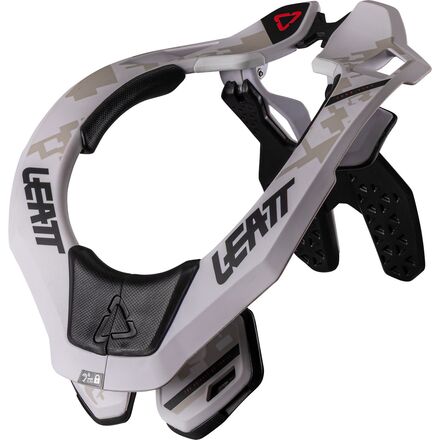
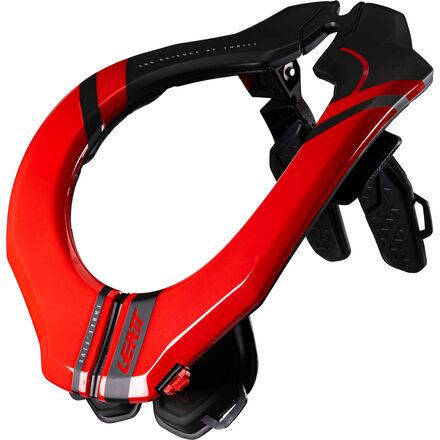
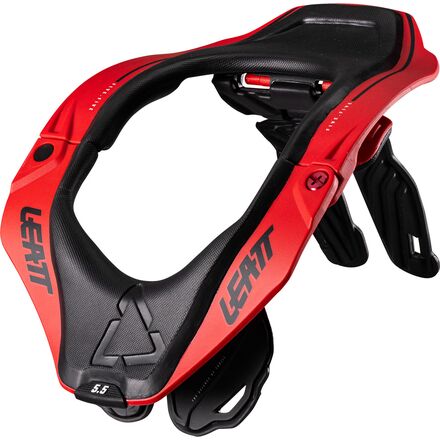
Neck braces link helmet impacts to the torso to disperse energy and limit neck flexion, using rigid wrap-around frames, posterior struts, and breakaway zones; they’re optimized for off-road riding like motocross, enduro, and adventure rather than street or enclosed-vehicle use.
What key features should I prioritize when choosing a neck brace?
Prioritize a rigid cradle and thoracic support with replaceable breakaway elements, tool-free adjustability for torso and strut position, helmet compatibility, certified materials, and available replacement parts for long-term safety and comfort.
Are neck braces a good choice for UTV or ATV riders?
Neck braces are limited in enclosed or low-speed utility vehicle scenarios due to bulk and restricted head rotation, so consider vehicle-appropriate collars or test brace clearance with your harness and full gear before relying on one for UTV use.
How should I maintain and inspect a neck brace to keep it protective?
Regularly inspect breakaway pins and struts for damage, clean or replace removable liners and padding, and swap out any impacted or worn components per the manufacturer’s guidance to ensure continued performance.
How do chest protectors, armor, or other mods interact with neck braces?
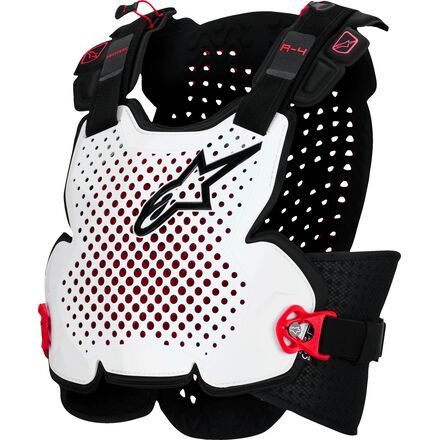
Ensure chest plates, harnesses, and trail armor clear the brace’s torso cradle and quick-release points, check alignment and head rotation while wearing full gear, and choose brace/armor combinations designed to work together to avoid interference.