Begin typing to search, when autocomplete results are available use up and down arrows to review and enter to select. Selecting an options will take you to a new page. Touch device users, explore by touch.SEARCH
Search within a riding style, select an optionBegin typing to search, when autocomplete results are available use up and down arrows to review and enter to select. Selecting an options will take you to a new page. Touch device users, explore by touch.
Free shipping on orders over $79 to Illinois
Orders over $79.00 will receive free shipping. This is a residential delivery service, deliveries Monday through Friday from 9:00am to 8:00pm.
What are air injection block-off plates and are they legal for street use?
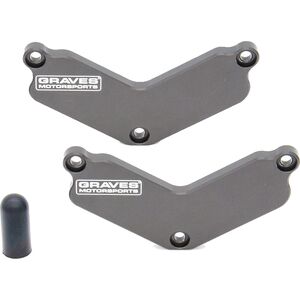
Air injection block-off plates (also called smog, PAIR, or AIS block-off plates) seal the valve-cover ports where the air injection system connects so hoses, valves, and pumps can be removed, and they are intended exclusively for closed-course competition or track use, not street-legal riding due to emissions tampering prohibitions.
What materials and design features should I look for in block-off plates?
Look for CNC-machined billet aluminum construction (commonly 6061 alloy) with an anodized finish for durability, plus recessed faces to retain OEM reed valves/gaskets and included gaskets/plugs for a leak-free seal.
How do block-off plates affect exhaust behavior and tuning on modified bikes?
They block fresh air injection that can cause decel popping and backfiring with aftermarket exhausts and they stabilize AFR readings for wideband O2 sensors and fuel controllers, though they may trigger a check-engine light without proper ECU tuning and can slightly raise engine temperatures.
Which ride types and conditions benefit most from using these plates?
They’re most useful for performance-oriented sportbikes and track-focused setups, moderately beneficial for dual-sport bikes used in track or hard off-road events, and generally low priority for cruisers or casual street riding; they’re optimized for track/closed-course environments, especially in hot or dry conditions that amplify popping issues.
What should I expect for installation, maintenance, and durability?
Installation is straightforward for a competent DIYer—remove the reed assembly and install the plate with its gasket and plugs using basic tools—while ongoing care includes checking seals for leaks, inspecting finish and gaskets periodically, monitoring engine temps after installation, and confirming model-specific fitment before purchase.