Begin typing to search, when autocomplete results are available use up and down arrows to review and enter to select. Selecting an options will take you to a new page. Touch device users, explore by touch.SEARCH
Search within a riding style, select an optionBegin typing to search, when autocomplete results are available use up and down arrows to review and enter to select. Selecting an options will take you to a new page. Touch device users, explore by touch.
Free shipping on orders over $79 to Illinois
Orders over $79.00 will receive free shipping. This is a residential delivery service, deliveries Monday through Friday from 9:00am to 8:00pm.
What should I prioritize when choosing street chest armor?
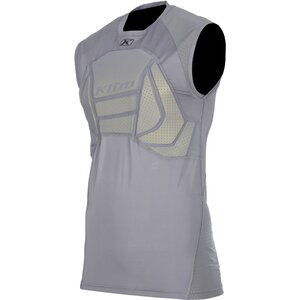
Prioritize CE certification to EN 1621-3 (Level 1 or Level 2 for higher impact absorption), good ventilation/perforation for heat management, compatibility with your back protector or jacket, and a fit suited to your riding style to ensure effective protection without restricting movement.
Which materials and designs work best for hot, urban street riding?
Choose perforated or ventilated plates and multi-layer foam or energy-absorbing compounds for repeat-impact performance, and favor thin, injection-molded or slim-profile inserts that slip under a jacket without adding bulk.
How should chest armor differ for adventure or off-road use?
Select vests or chest guards with roost/debris plates, robust shells or layered compounds for rock and impact resistance, plus flexible mesh and high ventilation so the guard works under weather layers on mixed terrain.
What should I check for fit, installation ease, and interaction with a back protector or jacket?
Look for a snug, non-shifting fit with adjustable straps or stretch mesh, ensure the chest piece aligns and layers smoothly with a certified back protector and your jacket, and test movement under riding posture to confirm comfort and coverage.
How do I maintain chest armor to keep its protective performance?
Keep armor clean and dry, inspect regularly for cracks, deformation, or compressed foam after impacts, avoid harsh chemicals or excessive heat, and replace any components that show structural damage to preserve protection.