Begin typing to search, when autocomplete results are available use up and down arrows to review and enter to select. Selecting an options will take you to a new page. Touch device users, explore by touch.SEARCH
Search within a riding style, select an optionBegin typing to search, when autocomplete results are available use up and down arrows to review and enter to select. Selecting an options will take you to a new page. Touch device users, explore by touch.
Free shipping on orders over $79 to Illinois
Orders over $79.00 will receive free shipping. This is a residential delivery service, deliveries Monday through Friday from 9:00am to 8:00pm.
What certifications should Utility riders look for in helmets and protective apparel?
For helmets, DOT is the minimum; ECE 22.05 or Snell offer more rigorous testing, and MIPS can help reduce rotational forces. For apparel, look for EN 17092 (AAA/AA) and CE armor meeting EN 1621-1 (limbs), EN 1621-2 (back), or EN 1621-3 (chest).
Which materials are best for Utility protection across mud, brush, and mixed terrain?
Abrasion-resistant leather or advanced textiles like Cordura, Kevlar, or Dyneema balance durability with flexibility. Prioritize reinforced impact zones, waterproof/breathable membranes, and boots with grippy, non-slip soles for traction.
How should armor fit on a Utility jacket or pant to work correctly?
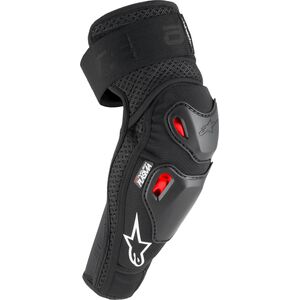
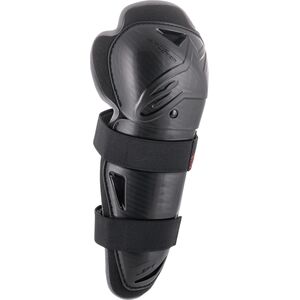
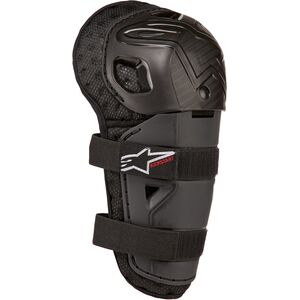
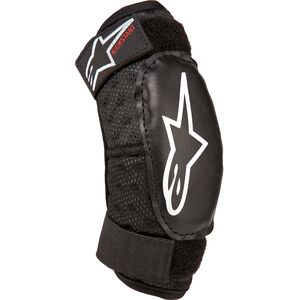
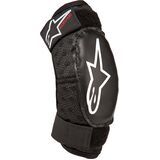
Aim for a snug, non-restrictive fit with armor sitting squarely on elbows, shoulders, back, knees, and hips and staying put when you move. Longer-cut jackets and secure retention straps help keep protection over Zone 1 high-risk areas during a slide.
What features make Utility gear comfortable in hot, wet, or cold conditions?
Hot/dry calls for vented or mesh panels and breathable textiles. Wet/cold benefits from waterproof membranes (like Gore-Tex), sealed openings, and removable thermal liners for adaptable layering.
Can I layer chest protectors, braces, or harnesses with Utility jackets and vests?
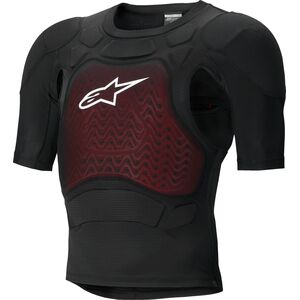
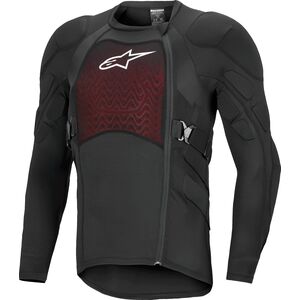
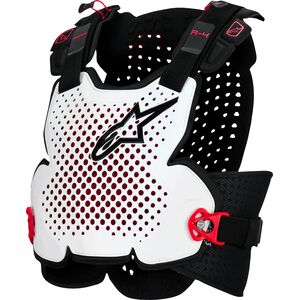
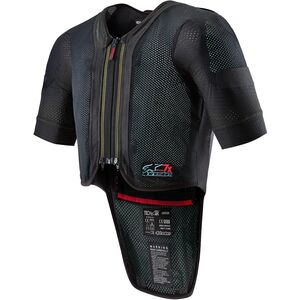
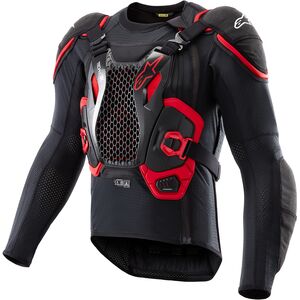
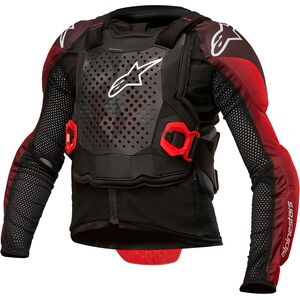
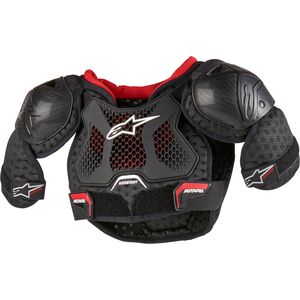
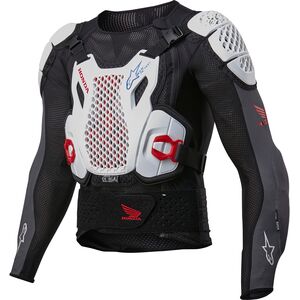
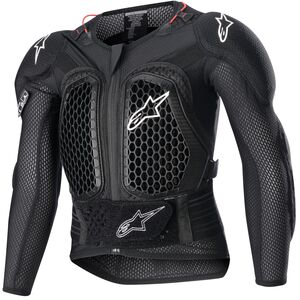
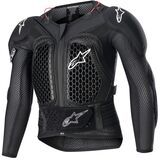
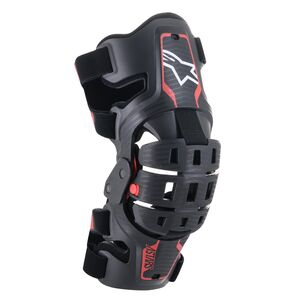
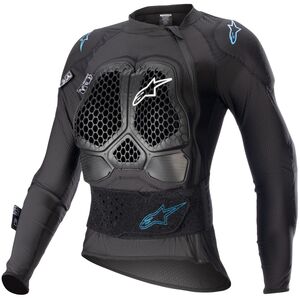
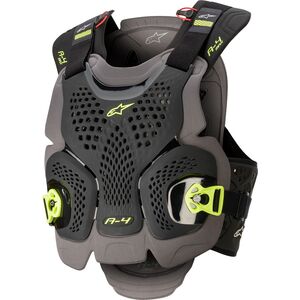
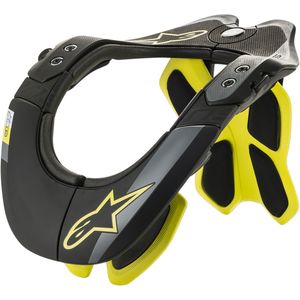
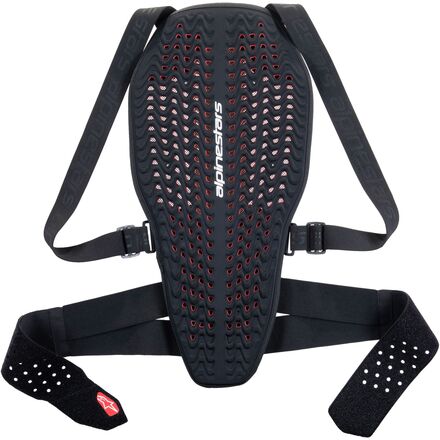
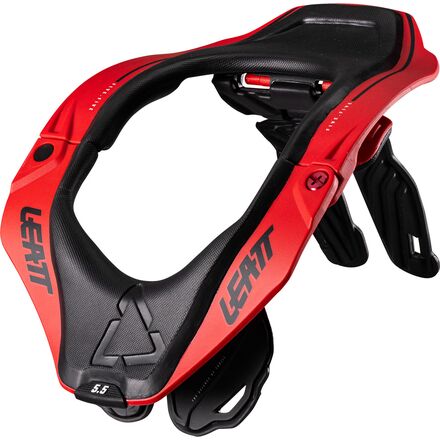
Choose pieces with removable armor and low-profile CE protectors so you can run stand-alone roost/chest protection or add EN 1621 back/chest inserts. Verify collar and cuff adjustability so braces, gloves, and UTV harnesses don’t restrict movement.