Begin typing to search, when autocomplete results are available use up and down arrows to review and enter to select. Selecting an options will take you to a new page. Touch device users, explore by touch.SEARCH
Search within a riding style, select an optionBegin typing to search, when autocomplete results are available use up and down arrows to review and enter to select. Selecting an options will take you to a new page. Touch device users, explore by touch.
Free shipping on orders over $79 to Illinois
Orders over $79.00 will receive free shipping. This is a residential delivery service, deliveries Monday through Friday from 9:00am to 8:00pm.
Are kidney belts worth it for utility ATV/UTV riding?
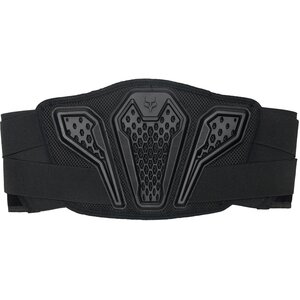
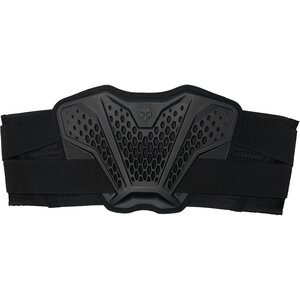
They add lower back and kidney support, reduce vibration fatigue on rough trails, and help posture on long days—skip for short, smooth runs if you have no back sensitivity.
Which kidney belt features matter most for utility off-road use?
Prioritize multi-point adjustability, breathable mesh to prevent overheating, a wider profile with thicker rear padding for protection and vibration control, and durable side buckles that hold up better in mud than basic hook-and-loop.
What materials and closures should I choose for my weather?
Use ventilated mesh or perforated designs in hot/dry conditions and warmer neoprene blends in cold/wet; secure side buckles offer long-term durability, with hook-and-loop as a secondary stabilizer if included.
How should a kidney belt fit with utility gear and harnesses?
Measure at the top of your hip bone, position the padded rear over the kidneys, and cinch snug without restricting breathing; confirm it lies flat under jackets or armor and doesn’t interfere with seat belts or tool belts.
How do I set up and maintain a kidney belt for utility riding?
Test it on the machine standing and seated—no pinching, full rotation, and it stays put over bumps; after rides, shake out dirt, hand-wash if needed, air-dry, and inspect elastic and closures before the next outing.