Begin typing to search, when autocomplete results are available use up and down arrows to review and enter to select. Selecting an options will take you to a new page. Touch device users, explore by touch.SEARCH
Search within a riding style, select an optionBegin typing to search, when autocomplete results are available use up and down arrows to review and enter to select. Selecting an options will take you to a new page. Touch device users, explore by touch.
Free shipping on orders over $79 to Illinois
Orders over $79.00 will receive free shipping. This is a residential delivery service, deliveries Monday through Friday from 9:00am to 8:00pm.
How do I choose the right gas cap for a utility vehicle?
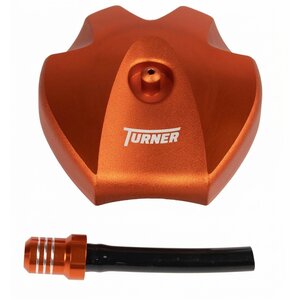
Match the cap’s vent type and mounting style to your tank, then verify neck diameter and thread pitch for a proper seal. Select durable metal construction with a replaceable fuel‑resistant gasket to prevent leaks and premature wear.
Should I use a vented or non‑vented gas cap?
Use a vented cap if your tank doesn’t have an external vent; choose non‑vented if the tank vents separately. The wrong type can cause fuel delivery issues, leaks, or tank deformation.
What materials and gasket types hold up best in off‑road and harsh weather?
Billet aluminum or stainless steel paired with silicone or EPDM gaskets resists vibration, corrosion, and UV damage far better than basic plastics. This combo keeps seals tight through mud, dust, rain, and heat cycles.
Are locking or flip‑up gas caps a good idea for utility use?
Locking and flip‑up caps add security and quick access, but always match your original mounting style for reliable sealing. For sealed systems, choose a cap designed to manage internal tank pressure correctly.
Will a replacement gas cap affect EVAP or fuel‑injected systems?
It can if venting isn’t compatible—choose caps labeled for EVAP systems to avoid drivability issues or warning lights. After installation, confirm the cap vents correctly and check for fuel odor or seepage.