Begin typing to search, when autocomplete results are available use up and down arrows to review and enter to select. Selecting an options will take you to a new page. Touch device users, explore by touch.SEARCH
Search within a riding style, select an optionBegin typing to search, when autocomplete results are available use up and down arrows to review and enter to select. Selecting an options will take you to a new page. Touch device users, explore by touch.
Free shipping on orders over $79 to Illinois
Orders over $79.00 will receive free shipping. This is a residential delivery service, deliveries Monday through Friday from 9:00am to 8:00pm.
How do I choose cable materials for durability on a utility machine?
Look for stainless or galvanized inner wire with a low-friction PTFE/nylon liner, solid metal barrel ends, and an abrasion-resistant outer sheath. This combo delivers a smoother pull and resists kinks and wear under heavy work and off-road use.
What should I pick for wet, muddy, or salty conditions?
Choose corrosion-protected housings with sealed ends/boots to block grit and moisture. If you ride often in harsh conditions, a relubable design plus a water-resistant cable lube keeps action consistent between services.
I added taller bars or extra controls—what should I watch for when selecting cables?
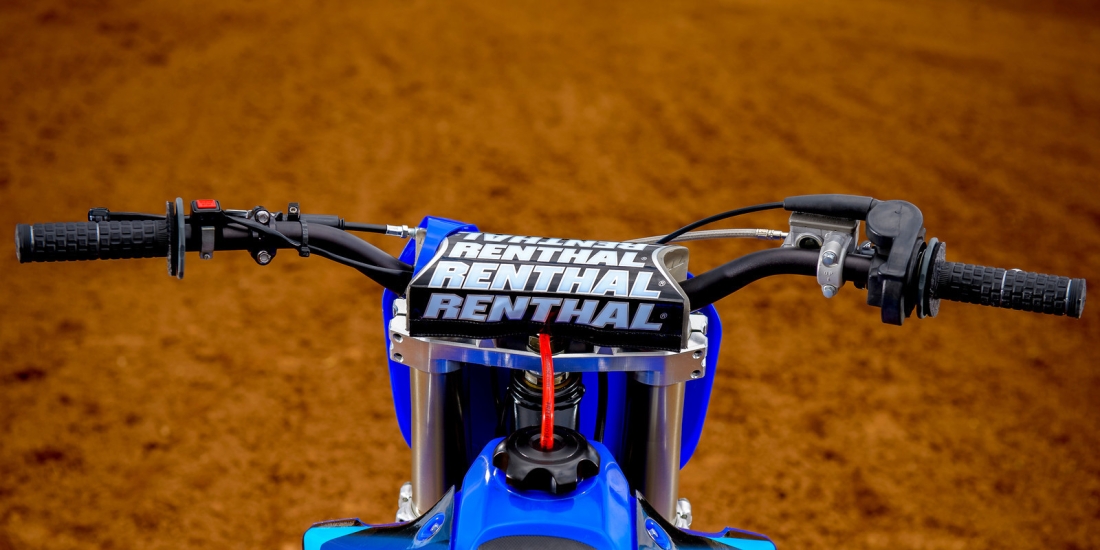
Match single vs dual (pull/return) setup and choose lengths that follow stock routing without tight bends, allowing clean steering and suspension movement. Use guides and clamps to keep the path smooth and prevent binding around accessories.
Which accessories help cables last longer on a utility vehicle?
Cable lubers, all-weather lubricants, inline adjusters, and replacement rubber boots reduce friction and keep contaminants out. Quick inspections for fraying, flat spots, or rust let you swap before performance drops.
Any installation tips for smooth, reliable control feel?
Pre-lube if the cable design allows, route away from sharp edges and heat, and set free play so the throttle returns crisply without drag. After securing, cycle the bars lock-to-lock and compress the suspension to confirm no pinch points.