Begin typing to search, when autocomplete results are available use up and down arrows to review and enter to select. Selecting an options will take you to a new page. Touch device users, explore by touch.SEARCH
Search within a riding style, select an optionBegin typing to search, when autocomplete results are available use up and down arrows to review and enter to select. Selecting an options will take you to a new page. Touch device users, explore by touch.
Free shipping on orders over $79 to Illinois
Orders over $79.00 will receive free shipping. This is a residential delivery service, deliveries Monday through Friday from 9:00am to 8:00pm.
Which ball joint construction is best for utility work and off‑road use?
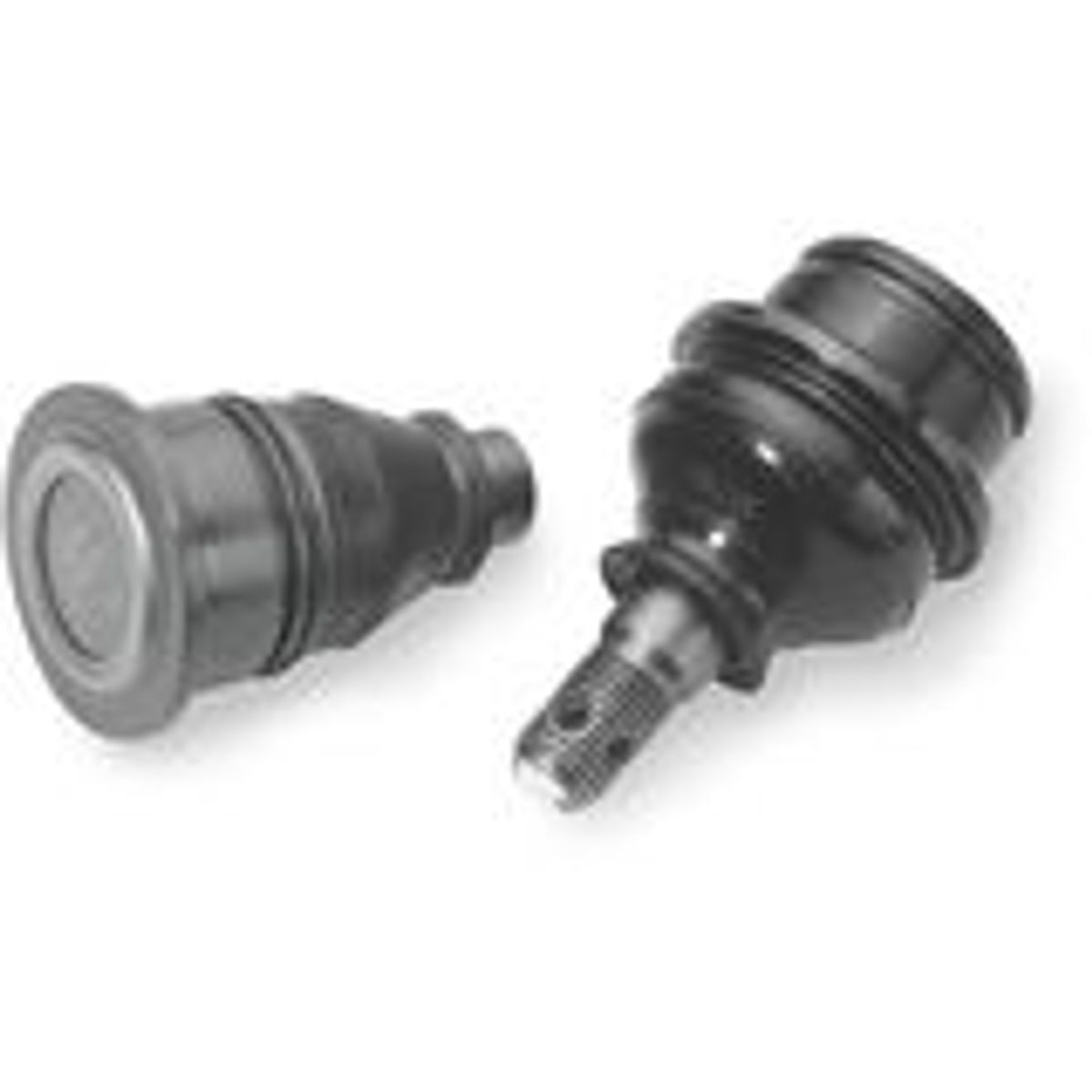
For heavy loads and hard use, choose a 3-piece design for added strength and durability; for everyday trail and utility riding, a 2-piece joint offers a strong, cost-effective balance.
Should I pick greaseable or sealed ball joints for mud, snow, and water?
Greaseable joints last longer if you’ll maintain them (look for grease grooves and relief valves), while sealed units minimize upkeep and resist corrosion in wet, salty conditions.
Pressed-in vs. bolt-on ball joints—what’s better for a utility machine?
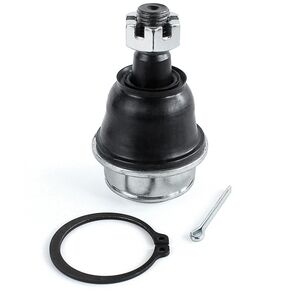
Bolt-on styles are easier for DIY replacement, while pressed-in types provide robust, factory-style rigidity but require more labor and tools; choose the mounting style your arms/knuckles are built for.
What materials and boot features improve durability for utility riding?
Look for forged steel housings, induction-hardened studs, and corrosion-resistant finishes (e.g., black oxide), plus reinforced rubber/thermoplastic or polychloroprene boots to keep grit and water out.
Do lift kits, larger tires, or plows change which ball joints I should choose?
Yes—go with heavy-duty joints that handle higher loads and offer strong boots and housings, then confirm smooth steering/suspension articulation through full travel and recheck fasteners after your first rides.