Begin typing to search, when autocomplete results are available use up and down arrows to review and enter to select. Selecting an options will take you to a new page. Touch device users, explore by touch.SEARCH
Search within a riding style, select an optionBegin typing to search, when autocomplete results are available use up and down arrows to review and enter to select. Selecting an options will take you to a new page. Touch device users, explore by touch.
Free shipping on orders over $79 to Illinois
Orders over $79.00 will receive free shipping. This is a residential delivery service, deliveries Monday through Friday from 9:00am to 8:00pm.
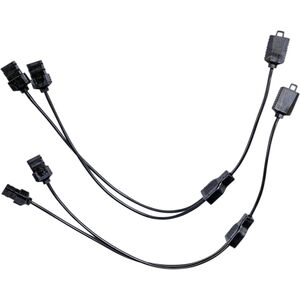
MotoSport.com offers Light Wiring. A leader in our industry, we know you'll be satisfied with the Street Bike Light Wiring you buy from us.
Our Pledge
We want to make your next ride, your best ride. Our Light Wiring ship for free with orders over $79.
If you need some assistance, we can help. Just give one of our Gearheads a call at 503-783-5645 and they can help you find the best Light Wiring for you.
What wire features matter most when picking streetbike light wiring?
Prioritize stranded tinned copper in the 16–18 AWG range for lighting circuits, durable insulation (PVC, silicone, or oil/heat‑resistant), OEM‑style connector compatibility, and protective extras like heat‑shrink tubing and strain relief to resist vibration and corrosion.
How should wiring choices differ between a commuter streetbike and a cruiser?
Commuter setups typically use flexible PVC‑insulated stranded wire in the 16–18 AWG range for everyday riding, while cruisers benefit from tinned conductors and oil/heat‑resistant insulation for longer runs and engine heat exposure.
What materials and connector types are best for aftermarket light wiring?
Look for tinned, high‑strand copper, silicone or oil‑resistant insulation, and sealed/waterproof connectors or heat‑shrinked splices; certifications like UL or RoHS indicate higher quality and durability.
What installation and maintenance steps extend wiring life on a streetbike?
Route wires away from heat and abrasion, use grommets, clamps, and polyolefin or heat‑shrink protection at splices, secure harnesses to prevent chafing, and inspect connections regularly for corrosion or wear.
How should I plan wiring for higher‑power lights or common lighting mods?
Use a heavier gauge conductor for higher current accessories, install properly rated fusing and sealed connectors, and choose high‑strand, flexible wire with robust insulation to handle increased load and harsh riding conditions.