Begin typing to search, when autocomplete results are available use up and down arrows to review and enter to select. Selecting an options will take you to a new page. Touch device users, explore by touch.SEARCH
Search within a riding style, select an optionBegin typing to search, when autocomplete results are available use up and down arrows to review and enter to select. Selecting an options will take you to a new page. Touch device users, explore by touch.
Free shipping on orders over $79 to Illinois
Orders over $79.00 will receive free shipping. This is a residential delivery service, deliveries Monday through Friday from 9:00am to 8:00pm.
What is the most important feature to check when choosing CE-rated shoulder armor?
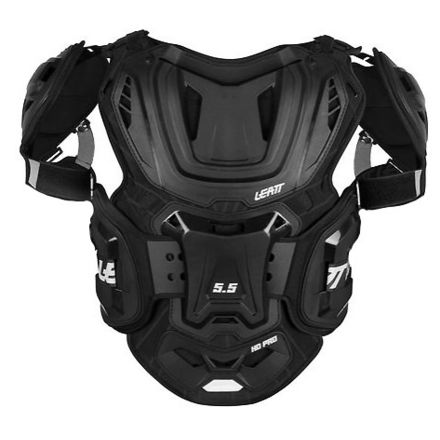
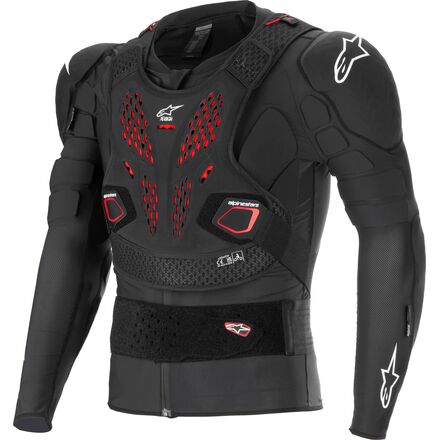
Always choose CE-certified shoulder protection first, then match the certification level to your riding: slimmer Level 1 for everyday/street use and higher-impact Level 2 for aggressive off-road or track riding; also confirm materials like D3O-style impact compounds and wet-condition performance so pads keep working in rain.
How do Level 1 and Level 2 shoulder protectors affect comfort and protection for different riding styles?
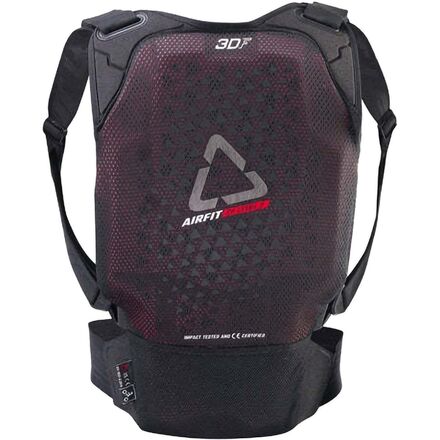
Level 1 offers lower bulk and better comfort for long street or cruiser rides, while Level 2 delivers greater impact absorption for off-road, track, or hard falls at the cost of added thickness; pair Level 2 with larger back/shoulder coverage when you need maximum protection.
What shoulder armor features work best for dirt bike and trail riding?
For off-road, prioritize ventilated, repeat-impact shoulder pads in detachable sleeves or vests, secure straps and thumb loops to prevent shifting during slides, and water-resistant CE-rated inserts so protection handles trails, roost, and repeated impacts.
How do I care for shoulder armor to keep it effective and durable?
Use removable pads so you can wash liners and air-dry armor, routinely inspect for compression, tears or degraded impact material, and replace inserts if the impact compound shows permanent damage or loss of shape.
What should I check when installing aftermarket shoulder inserts or standalone vests?
Ensure the armor settles snugly in jacket pockets or vest sleeves without shifting, secure any straps or elastic belts to maintain placement during movement, and verify the insert clears seams and travel of adjacent armor so it won’t impede mobility.