Begin typing to search, when autocomplete results are available use up and down arrows to review and enter to select. Selecting an options will take you to a new page. Touch device users, explore by touch.SEARCH
Search within a riding style, select an optionBegin typing to search, when autocomplete results are available use up and down arrows to review and enter to select. Selecting an options will take you to a new page. Touch device users, explore by touch.
Free shipping on orders over $79 to Illinois
Orders over $79.00 will receive free shipping. This is a residential delivery service, deliveries Monday through Friday from 9:00am to 8:00pm.
How much do lowering kits typically reduce seat height and which adjustment styles are best?
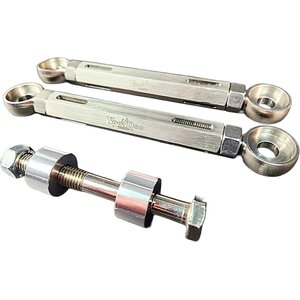
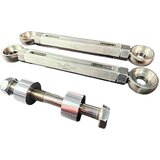
Most kits reduce seat height by about 1–1.5 inches using rear links or adjustable shocks; adjustable shocks are preferred when you need precise tuning for rider weight and terrain, while larger drops risk handling, lean-angle, and braking stability issues.
What materials and construction should I prioritize when choosing a lowering kit?
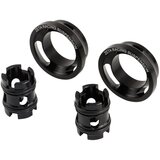
Look for CNC-machined aluminum or heat-treated steel components with proper rebound damping; avoid stamped or lightweight parts that compromise durability and tire contact over rough surfaces.
How important is front-to-rear balance when lowering my motorcycle?
Maintaining front-rear balance is critical—lower the forks proportionally (by sliding up in the triple clamps) to preserve caster angle and avoid poor high- and low-speed handling or unexpected instability.
Which kit types suit different ride platforms and conditions?
Choose modest drops and adjustable shocks for off-road or ADV use to preserve travel and damping, favor links plus a proportional fork drop for street/commuter bikes for improved flat-footing, and use limited shock-based lowering for cruisers when carrying loads to maintain sag and clearance.
What should I inspect during installation and ongoing maintenance after lowering my bike?
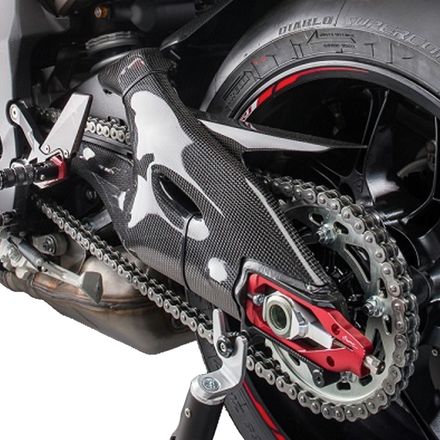
Check chain and brake clearance, kickstand length, peg/exhaust clearance, and rebound damping after installation, test on varied surfaces at low speed, recheck fasteners and suspension settings with your typical gear weight, and use a professional install if unsure.