Begin typing to search, when autocomplete results are available use up and down arrows to review and enter to select. Selecting an options will take you to a new page. Touch device users, explore by touch.SEARCH
Search within a riding style, select an optionBegin typing to search, when autocomplete results are available use up and down arrows to review and enter to select. Selecting an options will take you to a new page. Touch device users, explore by touch.
Free shipping on orders over $79 to Illinois
Orders over $79.00 will receive free shipping. This is a residential delivery service, deliveries Monday through Friday from 9:00am to 8:00pm.
Which bolt kit materials resist corrosion for wet or coastal riding?
Stainless steel and titanium offer the best corrosion resistance, anodized aluminum provides protection with less weight, and plated finishes like zinc or black oxide add extra protection—rinse and inspect hardware after exposure to salt or moisture.
How should I choose a bolt kit for off‑road riding versus street riding?
Choose tougher, vibration-resistant materials and heavy-duty finishes for off‑road use, while street or performance builds can benefit from lighter alloys and cleaner finishes; in both cases pick head styles that match tool access and clearance.
What head styles and finishes make installation and future maintenance easier?
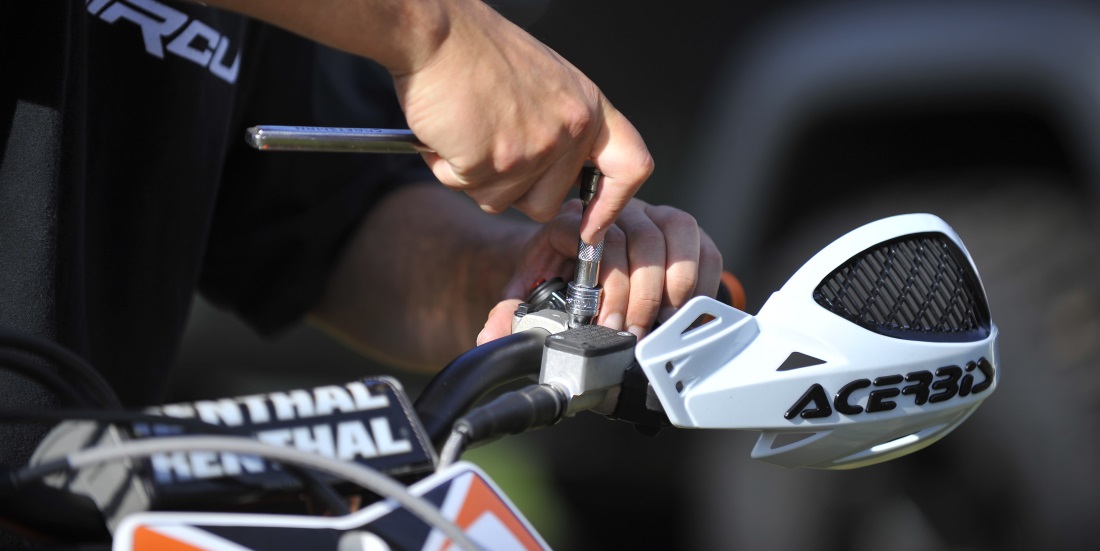
Socket/hex and Torx heads give strong tool engagement in tight spaces, button or countersunk heads suit finished panels, and corrosion‑resistant finishes reduce seizure and simplify removal during routine maintenance.
How do common performance or cosmetic mods affect bolt kit selection?
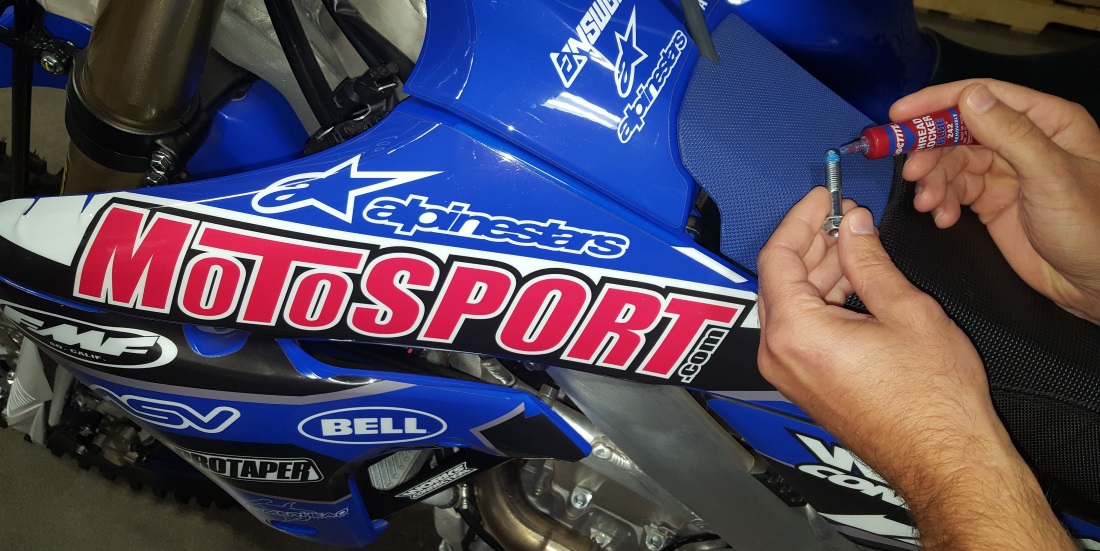
When upgrading components, select higher‑strength fasteners for added stress areas, choose different lengths or head types if clearance changes, and use corrosion‑resistant finishes and thread retention methods where vibration or load increases.
What maintenance keeps bolt kits durable and reliable over time?
Regularly inspect for corrosion, looseness, or thread damage, clean and reapply protective coatings or anti‑seize as needed, and replace any fasteners that show wear to maintain safety and longevity.