Begin typing to search, when autocomplete results are available use up and down arrows to review and enter to select. Selecting an options will take you to a new page. Touch device users, explore by touch.SEARCH
Search within a riding style, select an optionBegin typing to search, when autocomplete results are available use up and down arrows to review and enter to select. Selecting an options will take you to a new page. Touch device users, explore by touch.
Free shipping on orders over $79 to Illinois
Orders over $79.00 will receive free shipping. This is a residential delivery service, deliveries Monday through Friday from 9:00am to 8:00pm.
How do I choose the right capacity and bag style for my ride?
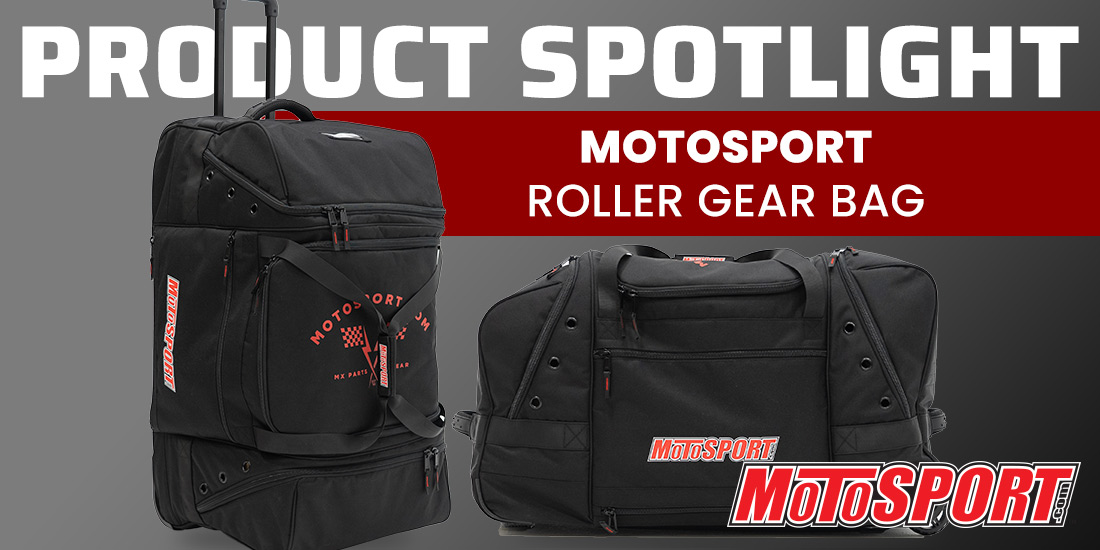
Match capacity to trip length: 10–20L for daily essentials (tank or compact tail), 30–45L for weekend trips (tail or small saddlebags), larger for multi-day touring. Expandable compartments add flexibility and help avoid overhang on the tail or saddle.
Which mounting system should I pick for secure, hassle-free use?
Straps are versatile and stable; quick-release speeds removal; bolt-on adds stability for high-speed or rough terrain; magnetic works only on steel tanks; bungees are flexible but less secure off-road. Verify your bike’s mounting points, exhaust clearance, and passenger space before choosing.
What materials and weather protection features matter most?
Waterproof or coated nylon/polyester handles rain best; hard cases (aluminum or polycarbonate) add impact protection; leather looks classic but needs regular conditioning. Look for double-stitched seams, robust zippers, roll-tops or rain covers, and compression straps to prevent shifting.
Which bag types fit street commuting, touring, or off-road riding?
Street/commute: compact tank or tail bags with quick-release and reflective accents. Touring: 30–45L tail bags or saddlebags, expandable and lockable; Adventure/off-road: lightweight, high-denier soft bags with flexible straps and compression to stay put on rough terrain.
Any setup and care tips to keep bags secure and lasting longer?
Route straps clear of hot exhaust and moving parts, cinch compression straps tight, and recheck attachments at fuel stops or after rough sections. Maintain by cleaning textiles and conditioning leather; confirm bags don’t crowd the pillion or interfere with tail tidies or racks.