Begin typing to search, when autocomplete results are available use up and down arrows to review and enter to select. Selecting an options will take you to a new page. Touch device users, explore by touch.SEARCH
Search within a riding style, select an optionBegin typing to search, when autocomplete results are available use up and down arrows to review and enter to select. Selecting an options will take you to a new page. Touch device users, explore by touch.
Free shipping on orders over $79 to Illinois
Orders over $79.00 will receive free shipping. This is a residential delivery service, deliveries Monday through Friday from 9:00am to 8:00pm.
What features matter most when choosing a dirt bike helmet camera?
Look for high video resolution (4K–8K), strong electronic image stabilization, waterproofing (IPX7/IP68 or dive cases), long battery life, helmet-side or universal mounting, and cold-weather resistance for dependable footage across rough terrain and weather.
What resolution and frame rate should I pick for trails, track, or touring?
Use 5.3K–8K with higher frame rates for fast action and smooth slow‑mo, 4K as a balanced standard, and 1080p/2K to extend runtime on long rides.
Why are stabilization and waterproofing critical off-road?
EIS smooths vibrations, bumps, and rotation so trail footage stays clear, while robust waterproofing resists mud, rain, and post‑ride rinses to protect the camera and maintain reliability.
What mounting options work best on a dirt helmet, and is installation easy?
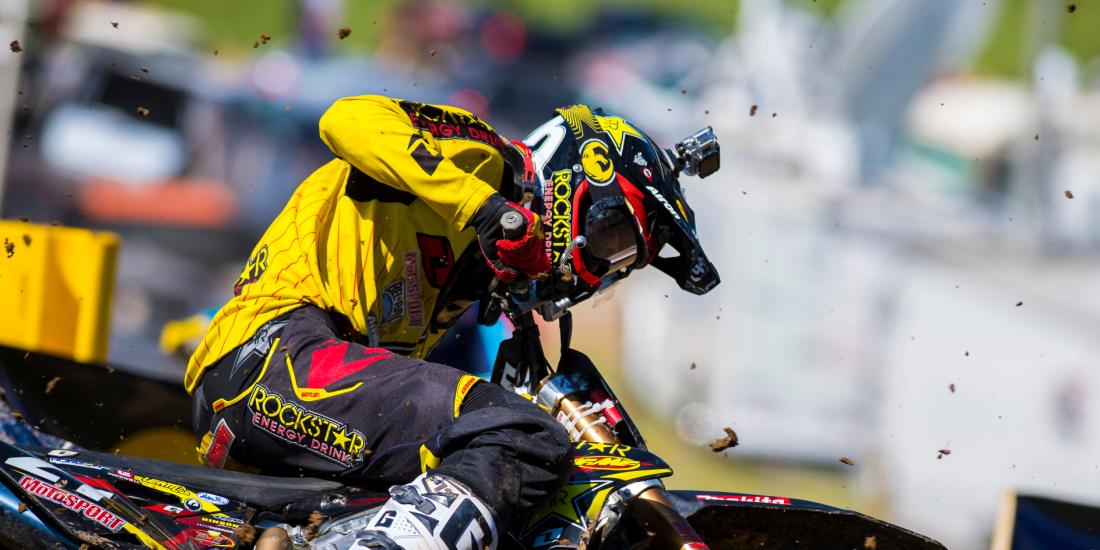
Side or chin mounts with universal kits install quickly using adhesive or straps; position to avoid blocking visors, vents, or goggle straps and use low‑profile hardware for a stable POV.
How do I manage battery life and care for the camera on muddy, all‑day rides?
Run lower resolution/FPS when needed, carry spare batteries or a power bank, and keep screens/wireless features minimal to save power; after rides, rinse off mud, dry thoroughly, check seals and mounts, and clean the lens to keep footage sharp.