Begin typing to search, when autocomplete results are available use up and down arrows to review and enter to select. Selecting an options will take you to a new page. Touch device users, explore by touch.SEARCH
Search within a riding style, select an optionBegin typing to search, when autocomplete results are available use up and down arrows to review and enter to select. Selecting an options will take you to a new page. Touch device users, explore by touch.
Free shipping on orders over $79 to Illinois
Orders over $79.00 will receive free shipping. This is a residential delivery service, deliveries Monday through Friday from 9:00am to 8:00pm.
MotoSport.com offers 8 Dirt Bike Clutch Springs. A leader in our industry, we know you'll be satisfied with your Clutch Springs when you buy from us.
Our Pledge
We want to make your next ride, your best ride. Our Dirt Bike Clutch Springs ship for free with orders over $79.
If you need some assistance, we can help. Just give one of our Gearheads a call at 503-783-5645 and they can help you find the best Clutch Springs for you.
How do clutch spring stiffness ratings work and what do the color codes mean?
Stiffness is expressed as engagement-rise increments—common color codes indicate progressive steps (for example, +1000 blue, +1500 yellow, +2000 red)—and higher ratings raise clutch engagement RPM for quicker acceleration and stronger power transfer while increasing lever pull and making low-speed engagement firmer.
Which spring stiffness is best for my riding style and terrain?
Softer springs favor technical trail riding and low-traction conditions by improving low-speed modulation and reducing lever effort, while stiffer springs suit aggressive racing and high-load/open-track riding by preventing slippage and maximizing hookup; choose based on terrain, grip level, and how much lever effort you can tolerate.
How do spring count and materials affect feel and durability?
A higher spring count lets each spring be softer for smoother modulation, and high-tensile steel construction resists off-road abuse for longer service life; inspect springs regularly for deformation, corrosion, or height changes and replace when wear is evident.
What role do installed height and preload play in clutch setup?
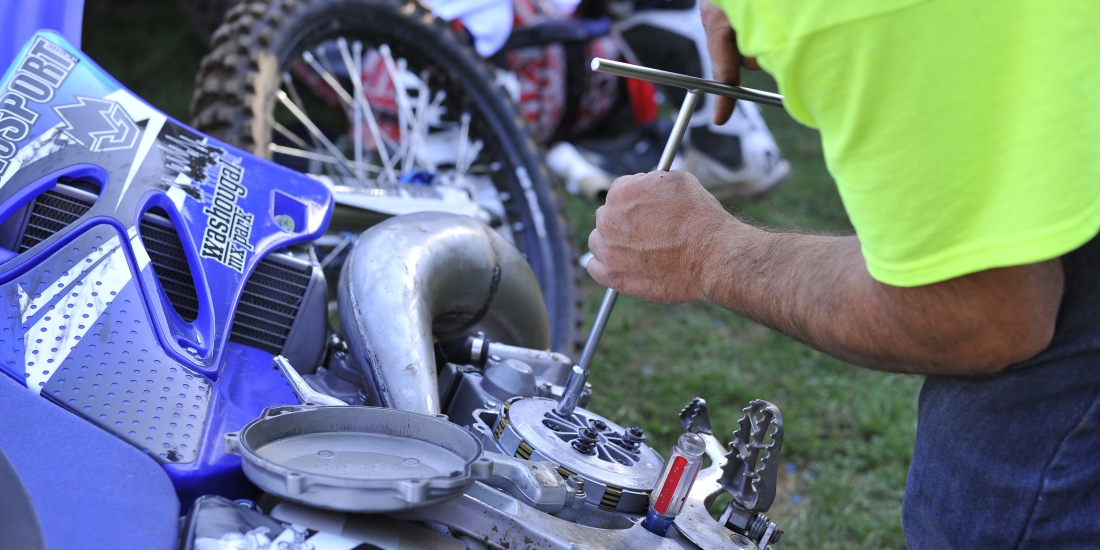
Installed height and preload set base clutch pressure—lower height/less preload improves low-end engagement but can allow slippage, while higher height/more preload resists slip—so measure installed height as a baseline and adjust preload carefully when changing spring rates.
How do clutch springs interact with common mods and control changes?
Increased engine power usually calls for stiffer springs to prevent slip, while upgrades like hydraulic clutches or longer levers can reduce perceived pull from stiffer springs; balance spring rate with rider strength and race duration to avoid hand fatigue.