Begin typing to search, when autocomplete results are available use up and down arrows to review and enter to select. Selecting an options will take you to a new page. Touch device users, explore by touch.SEARCH
Search within a riding style, select an optionBegin typing to search, when autocomplete results are available use up and down arrows to review and enter to select. Selecting an options will take you to a new page. Touch device users, explore by touch.
Free shipping on orders over $79 to Illinois
Orders over $79.00 will receive free shipping. This is a residential delivery service, deliveries Monday through Friday from 9:00am to 8:00pm.
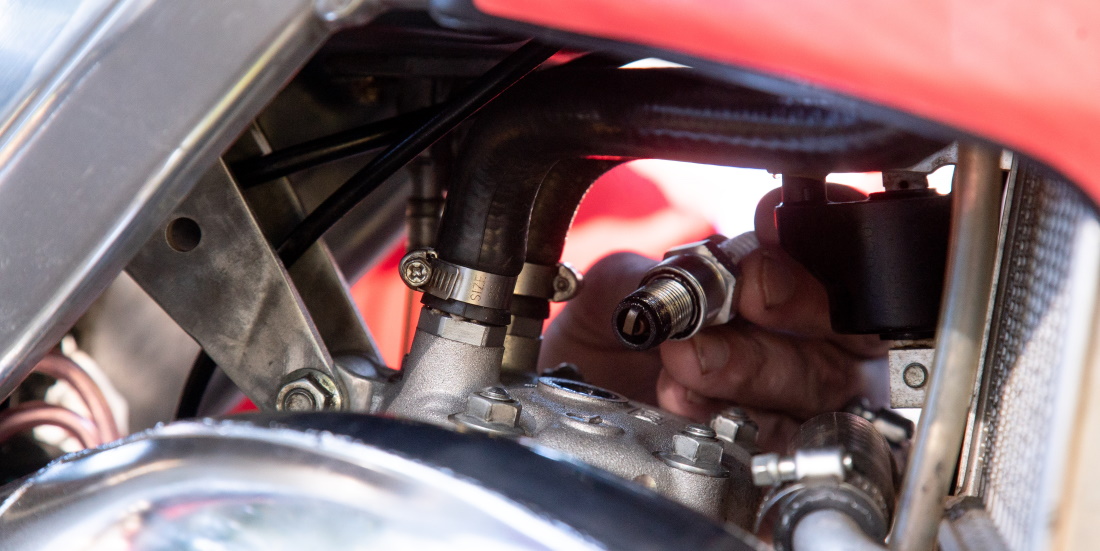
A CDI box, or Capacitor Discharge Ignition, controls ignition timing to enhance engine performance thus a critical component particularly in high-revving engines. By storing and releasing electrical energy to the spark plug, a CDI box ensures smoother throttle response and better overall efficiency. If you' want to replace a stock unit or upgrade for more power, a dirt bike CDI box provide the boost you need. Remember, a carbureted bike uses a CDI box while fuel-injected models use an ECU.
How do I choose between AC and DC CDI boxes for a dirt bike?
Confirm your bike’s ignition type in the manual or with a quick voltage check—AC units run off the stator, DC units use the battery for a stronger low‑RPM spark and better cold starts; match the same type as your bike.
Why do pin count and wiring color matching matter?
CDIs aren’t universal—match the exact 4‑pin/5‑pin layout and wire colors to your harness to prevent damage and ensure proper timing; compare product photos and wiring diagrams before buying.
Do engine size and 2‑stroke/4‑stroke matter when selecting a CDI?
Yes—choose a unit built for your displacement range and stroke type because ignition curves and limits are tuned to those engines; mismatches can cause hard starts or weak top‑end.
What CDI features suit trail riding vs. racing?
Fixed‑curve replacements prioritize reliability for everyday trails, while digital/adjustable curves and raised rev limits support modified engines and track use—only pick performance maps if your build can safely rev higher.
What should I look for for harsh terrain or wet weather, and any install tips?
Select sealed, vibration‑resistant housings with weatherproof connectors for mud, rain, and rocky terrain; during install, route wiring away from heat, secure grounds, confirm pin order, then verify smooth idle and clean throttle response.