Begin typing to search, when autocomplete results are available use up and down arrows to review and enter to select. Selecting an options will take you to a new page. Touch device users, explore by touch.SEARCH
Search within a riding style, select an optionBegin typing to search, when autocomplete results are available use up and down arrows to review and enter to select. Selecting an options will take you to a new page. Touch device users, explore by touch.
Free shipping on orders over $79 to Illinois
Orders over $79.00 will receive free shipping. This is a residential delivery service, deliveries Monday through Friday from 9:00am to 8:00pm.
What should I prioritize when choosing women's cruiser motorcycle boots?
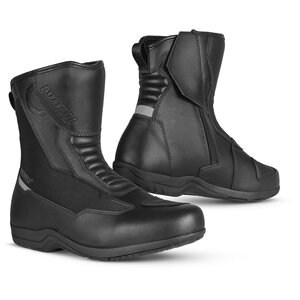
Prioritize CE certification (EN 13634 Level 1-2), reinforced toe/heel/ankle protection, oil- and gas-resistant soles with a rigid shank, secure closures like zips or buckles, and a snug fit that will break in over typical riding miles. These features ensure abrasion, impact and twist protection, plus the stability needed to stay on in a crash.
How do cruiser boots differ from off‑road or race styles?
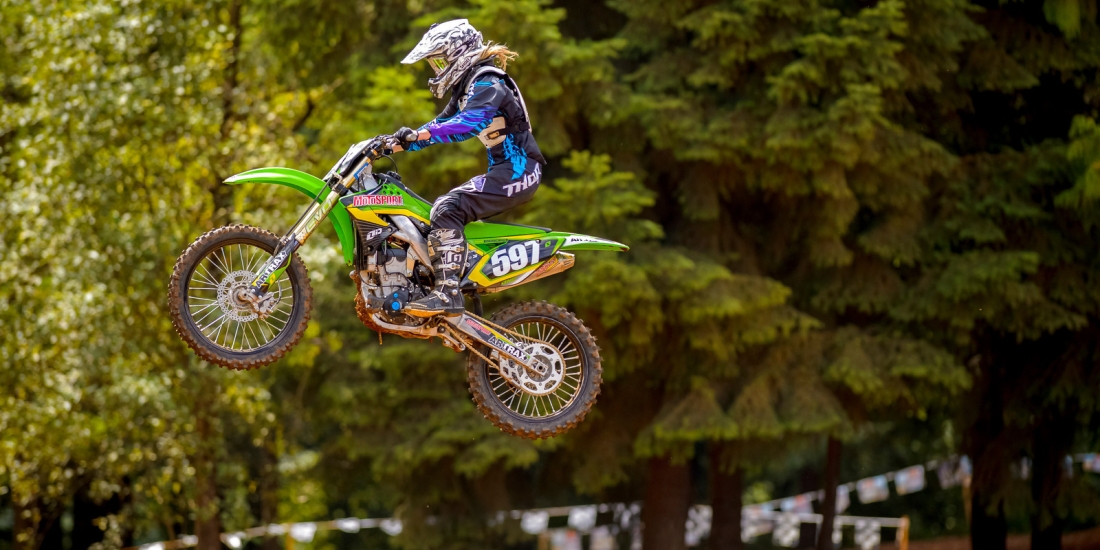
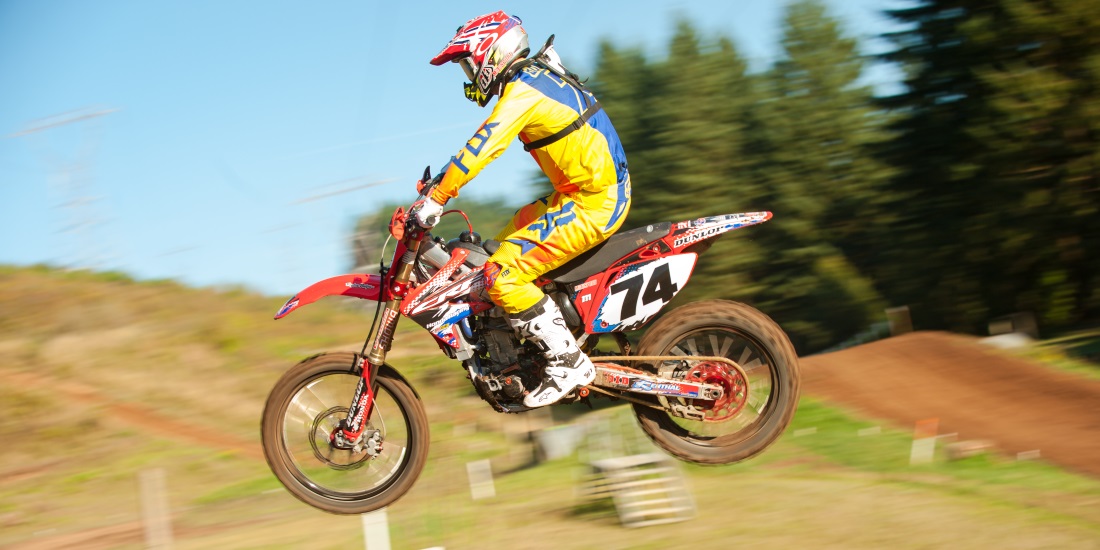
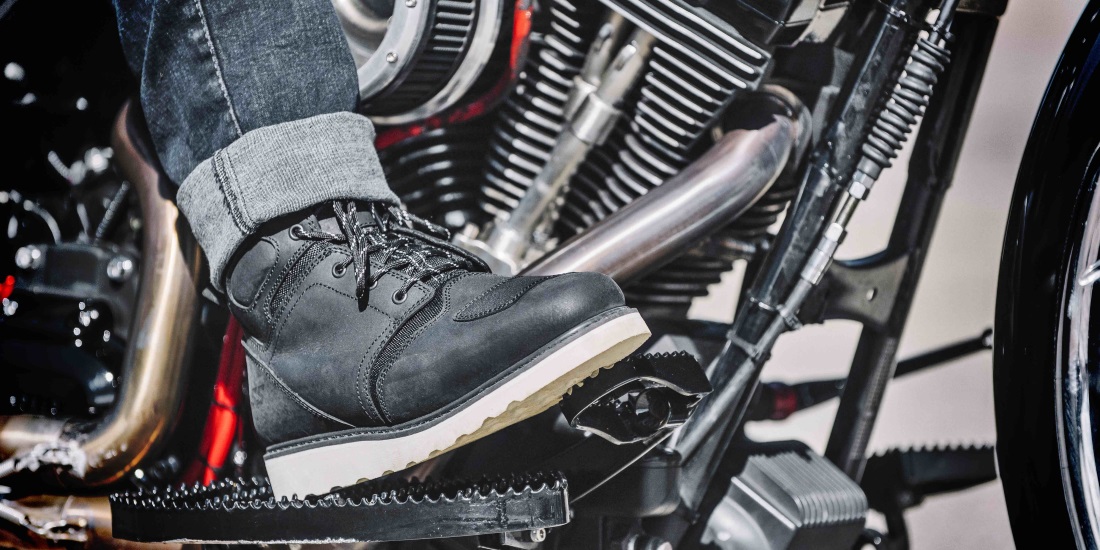
Cruiser boots favor mid‑height designs with side zips and softer ankle flex for walking and long rides, while off‑road and race boots use higher, stiffer constructions with buckles, braces, shift pads or sliders for extreme protection and terrain control. Choose the cruiser profile for relaxed highway and urban riding where comfort and walking ease matter.
Which sole and grip features are important for street and commuter cruising?
Look for oil- and gas-resistant, shock‑absorbing outsoles with anti‑twist rigid shanks and slip‑resistant tread; a modest raised heel can aid shifter/brake control without sacrificing walkability. These soles improve stability on pegs and sidewalks while resisting fuel and road contaminants.
How should I evaluate fit and the break‑in process for women's cruiser boots?
Fit boots with your riding socks to ensure a snug ankle and heel hold, check for wider calf options if needed, and expect most cruiser boots to soften through riding rather than walking—plan for a gradual break‑in over typical riding miles. A secure fit that doesn’t allow heel slip is more protective and comfortable on long rides.
Do I need waterproofing or ventilation for cruiser/touring use?
For touring and variable weather, choose boots with waterproof membranes (e.g., Gore‑Tex/Sympatex) or breathable liners for heat; ventilation is useful for warm climates while waterproof liners protect in rain. Maintain leather or synthetic uppers and resolable welts to preserve durability and weather performance.