Begin typing to search, when autocomplete results are available use up and down arrows to review and enter to select. Selecting an options will take you to a new page. Touch device users, explore by touch.SEARCH
Search within a riding style, select an optionBegin typing to search, when autocomplete results are available use up and down arrows to review and enter to select. Selecting an options will take you to a new page. Touch device users, explore by touch.
Free shipping on orders over $79 to Illinois
Orders over $79.00 will receive free shipping. This is a residential delivery service, deliveries Monday through Friday from 9:00am to 8:00pm.
What materials should I choose for cruiser swingarm accessories?
Steel offers durable, cost-effective strength for everyday riding while aluminum gives weight savings and corrosion resistance for performance-minded cruisers; carbon fiber is rare and premium. Choose the material that matches your riding priorities—durability and load carrying for touring, lower weight for modified or performance setups.
How does swingarm length or design affect cruiser handling and traction?
Longer, reinforced swingarms increase wheelbase for straight-line stability and improved traction under acceleration, while shorter, stiffer designs favor quicker turn-in and nimble handling. Match the design to your riding style—stability for cruising and hauling, shorter for tighter maneuvering.
What should I inspect during install and routine maintenance of swingarm accessories?
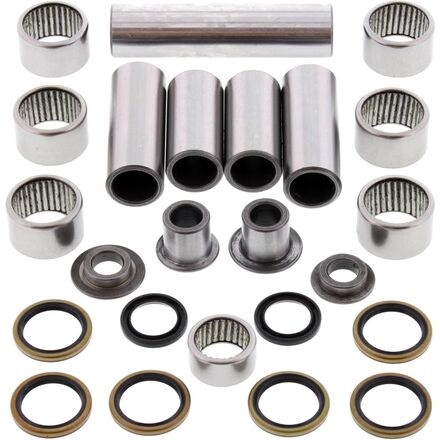
Check pivot bushings and bearings for smooth, play-free movement, verify chain alignment and clearance, and inspect welds and fasteners for signs of wear or corrosion. Regular lubrication and prompt replacement of worn bearings extend service life and keep handling predictable.
How do swingarm accessories interact with common cruiser modifications like suspension, exhaust, or fenders?
Accessories can affect clearance and alignment, so account for suspension travel, exhaust routing, and fender placement when selecting or positioning components, and use proper spacers or brackets if needed. Ensure modifications don’t obstruct turn signals, license plate mounts, or exhaust flow to maintain safety and function.
Which finishes and coatings are best for cruisers ridden in wet or coastal conditions?
Choose corrosion-resistant options—anodized or powder-coated aluminum, stainless steel hardware, and durable paint finishes—to resist salt and moisture exposure. Regular cleaning and protective coatings help preserve appearance and structural integrity in harsh conditions.