Begin typing to search, when autocomplete results are available use up and down arrows to review and enter to select. Selecting an options will take you to a new page. Touch device users, explore by touch.SEARCH
Search within a riding style, select an optionBegin typing to search, when autocomplete results are available use up and down arrows to review and enter to select. Selecting an options will take you to a new page. Touch device users, explore by touch.
Free shipping on orders over $79 to Illinois
Orders over $79.00 will receive free shipping. This is a residential delivery service, deliveries Monday through Friday from 9:00am to 8:00pm.
What should I confirm first when choosing a stator for a cruiser?
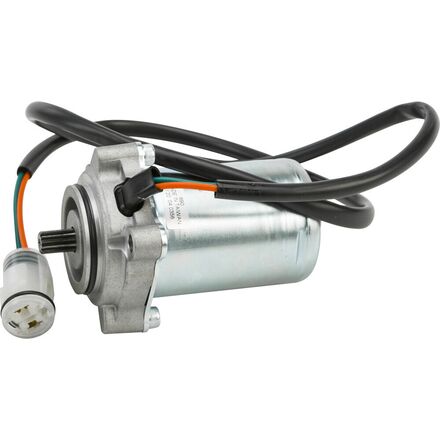
Prioritize exact year/make/model compatibility, verify the three-phase configuration common to cruisers, and match resistance and voltage targets to your service manual to ensure reliable charging and accessory power.
How do stator windings and connectors differ for cruiser electrical systems?
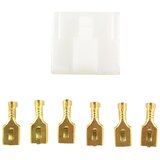
Cruiser stators typically use a multi-phase winding with a multi‑wire output and varying coil counts, so confirm wiring layout and connector type, and choose sealed connectors for better moisture and corrosion resistance.
How does riding style and terrain affect which stator I should pick?
For paved, long-distance cruiser riding pick stators designed for steady low‑RPM output and continuous accessory load; if you ride in hot or dirty conditions, choose units with heat‑resistant insulation and robust sealing.
What install and maintenance factors extend stator life?
Opt for designs with easy access and matching wiring layout, check winding-to-ground continuity and phase resistance with a multimeter before install, and keep cooling passages and connectors clean and sealed to prevent overheating and corrosion.
Do I need a higher‑output stator for extra accessories or touring?
If you run multiple high‑draw accessories, choose a higher‑output stator and confirm the stator’s output ratings are compatible with your charging system, regulator/rectifier, and wiring harness to avoid overloads.