Begin typing to search, when autocomplete results are available use up and down arrows to review and enter to select. Selecting an options will take you to a new page. Touch device users, explore by touch.SEARCH
Search within a riding style, select an optionBegin typing to search, when autocomplete results are available use up and down arrows to review and enter to select. Selecting an options will take you to a new page. Touch device users, explore by touch.
Free shipping on orders over $79 to Illinois
Orders over $79.00 will receive free shipping. This is a residential delivery service, deliveries Monday through Friday from 9:00am to 8:00pm.
What should I prioritize when choosing a stator or regulator for a cruiser?
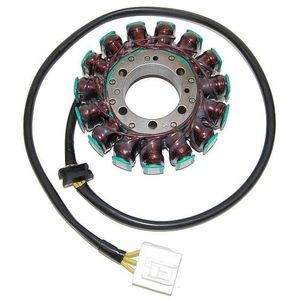
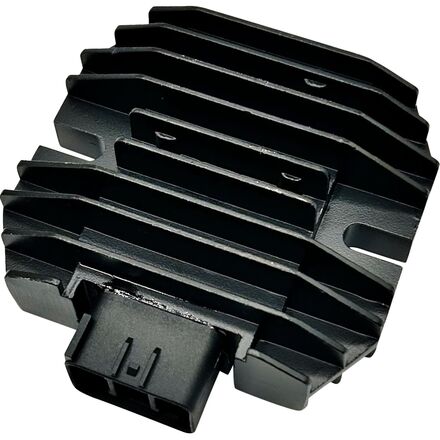
Prioritize compatibility with your stator’s AC output type (single‑phase vs three‑phase), the regulator’s pin configuration (three to five wires), a proper 12V output rating, and physical fitment to avoid charging failures; favor units with good heatsinks or MOSFET regulation for cruiser duty.
Which regulator type is best for long-distance touring vs daily city riding on a cruiser?
For long-distance touring or cruisers with added electronics, choose a high‑output, heatsink‑optimized MOSFET-style regulator; for daily city riding, pick a plug‑and‑play replacement that matches your bike’s phase and pin configuration.
What wiring and installation checks should I make before swapping a stator or regulator?
Confirm regulator pinout and wire colors, verify negative-ground polarity, ensure connector and wire gauge quality, and measure clearance and mounting points so the unit sits securely with proper ventilation.
How do weather and terrain influence the choice of stator or regulator for cruiser use?
Hot climates and sustained highway use call for oversized heatsinks and robust cooling, while wet or salty conditions require sealed wiring and corrosion‑resistant finishes to protect electrical connections.
How do electrical upgrades like LED lighting or lithium batteries affect stator/regulator selection?
Additional electrical loads require a regulator and stator rated for higher output and three‑phase compatibility if applicable, plus improved cooling and verified wiring to handle the increased demand safely.