Begin typing to search, when autocomplete results are available use up and down arrows to review and enter to select. Selecting an options will take you to a new page. Touch device users, explore by touch.SEARCH
Search within a riding style, select an optionBegin typing to search, when autocomplete results are available use up and down arrows to review and enter to select. Selecting an options will take you to a new page. Touch device users, explore by touch.
Free shipping on orders over $79 to Illinois
Orders over $79.00 will receive free shipping. This is a residential delivery service, deliveries Monday through Friday from 9:00am to 8:00pm.
What visibility standard should cruiser riders look for in a reflective vest?
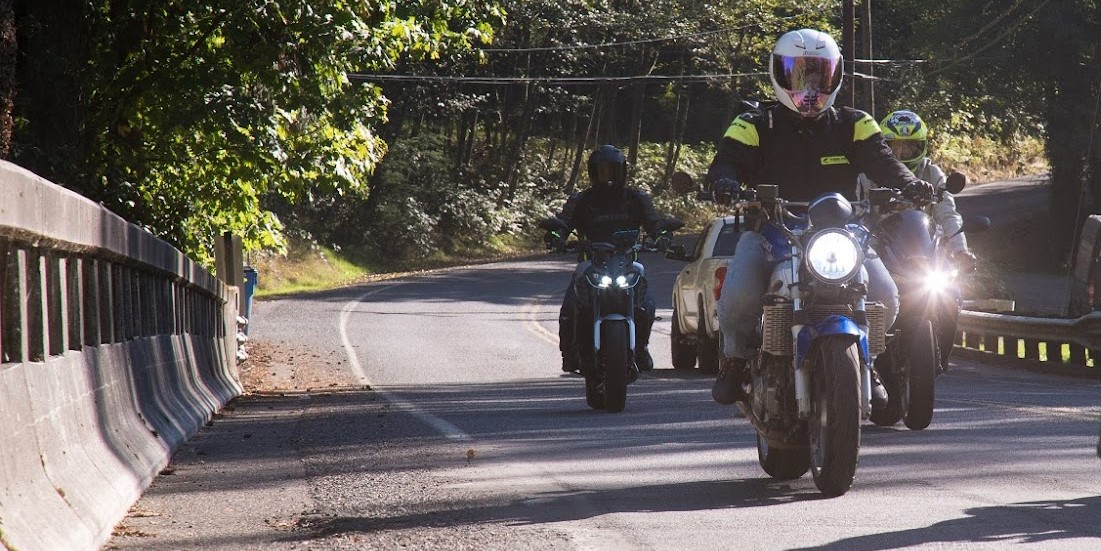
Choose an ANSI/ISEA 107-2020 compliant Type R, Class 2 vest with at least 775 sq in of fluorescent yellow-green (orange-red acceptable) and 201 sq in of 2-inch retroreflective tape for 360-degree coverage.
How should a reflective vest fit over a cruiser leather jacket for long rides?
Go for a roomy, adjustable cut (hook-and-loop or elastic) that sits snug without flapping, clears handlebar movement, and packs small for touring.
Which materials maximize comfort and durability for cruiser riding?
Breathable mesh or polyester/tricot with reinforced stitching handles wind and heat, dries quickly in rain, resists UV, and is easy to machine-wash.
Is Class 3 necessary, or is Class 2 enough for street and highway use on a cruiser?
Class 2 Type R is ideal for urban and highway traffic; frequent night or high-speed highway riders can step up to Class 3 for extra conspicuity.
How can I confirm a vest’s reflective performance and wraparound visibility?
Check the label for ANSI/ISEA 107-2020 Type R, verify 2-inch silver-gray tape wrapping chest, back, shoulders, and sides without gaps, and ensure it lights up under headlights or a flashlight.