Begin typing to search, when autocomplete results are available use up and down arrows to review and enter to select. Selecting an options will take you to a new page. Touch device users, explore by touch.SEARCH
Search within a riding style, select an optionBegin typing to search, when autocomplete results are available use up and down arrows to review and enter to select. Selecting an options will take you to a new page. Touch device users, explore by touch.
Free shipping on orders over $79 to Illinois
Orders over $79.00 will receive free shipping. This is a residential delivery service, deliveries Monday through Friday from 9:00am to 8:00pm.
Who should choose an open-face helmet for cruiser or street riding?
Riders who prioritize style and a wide field of view on paved roads will like open-face lids, but they offer less chin/jaw protection than full-face options and aren’t ideal for dirt or rugged terrain.
How do I select the right fit and head shape for a cruiser open-face helmet?
Measure your head and match your shape (long oval, intermediate oval, round oval), then choose a snug fit that sits level, hugs the cheeks, and doesn’t wobble. Expect slight break-in; use adjustable/removable pads and liners to fine-tune and eliminate pressure points.
What safety certifications and shell materials should I look for?
Choose helmets with DOT, ECE, or Snell certification and an EPS liner for impact absorption. Polycarbonate is budget-friendly, fiberglass balances strength and weight, and carbon is lightest; more shell sizes generally improve fit and keep the profile lower.
Which features help with heat, wind, and changing light on paved rides?
Look for adjustable vents and Pinlock-ready shields to combat heat and fog, plus a retractable sun visor for glare. Remember open-face designs offer limited cold and wind protection, so consider a face shield or windshield for longer highway stretches.
Which comfort features matter for cruisers, and how should I care for the helmet?
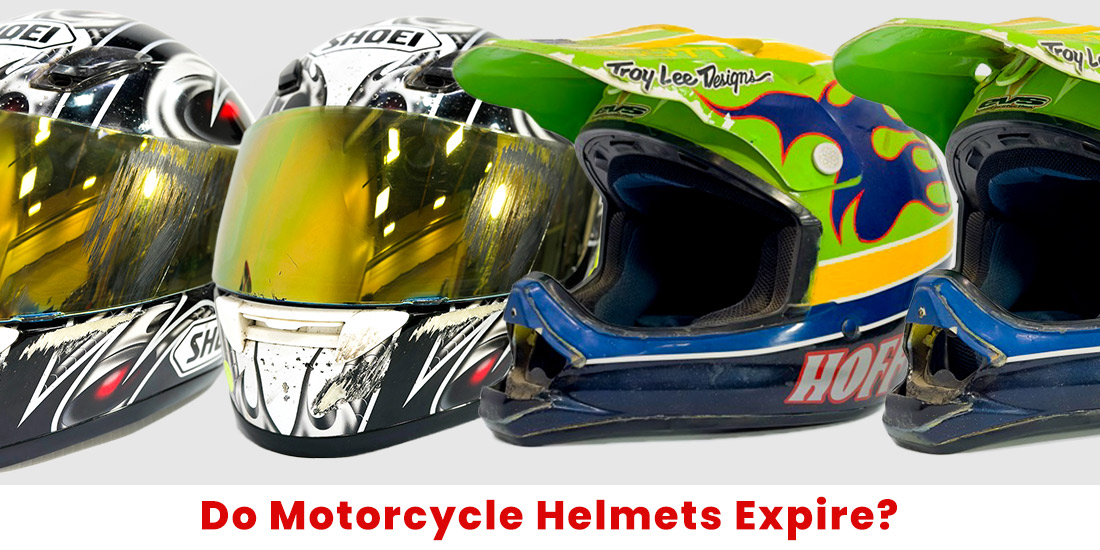
Lighter fiberglass or carbon shells reduce neck fatigue and a lower-profile design helps minimize buffeting; conveniences like speaker cutouts, Bluetooth-ready interiors, and micrometric buckles streamline daily use. Keep liners clean with the removable/washable pads, and replace the helmet every 3–5 years or after any impact.