Begin typing to search, when autocomplete results are available use up and down arrows to review and enter to select. Selecting an options will take you to a new page. Touch device users, explore by touch.SEARCH
Search within a riding style, select an optionBegin typing to search, when autocomplete results are available use up and down arrows to review and enter to select. Selecting an options will take you to a new page. Touch device users, explore by touch.
Free shipping on orders over $79 to Illinois
Orders over $79.00 will receive free shipping. This is a residential delivery service, deliveries Monday through Friday from 9:00am to 8:00pm.
How do I choose the right horn loudness and tone for a cruiser?
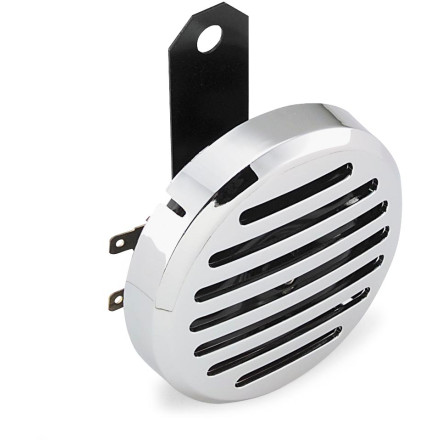
For city traffic, go with a 110–120 dB dual‑tone horn for fast recognition; for minimalist setups or tight spaces, a compact 105+ dB unit works well. Dual‑tone frequencies cut through ambient noise and deliver a fuller sound riders expect from cruisers.
What electrical factors should I consider before upgrading a cruiser horn?
Prioritize low power draw (under 5 amps) to match your horn circuit, and use a relay with higher‑output or air horns to protect switches and fuses. Choose a quality harness and vibration‑resistant connectors for long‑term reliability.
Which weatherproofing features matter for cruiser horns?
Look for IP65+ protection, and choose sealed IP67 units if you ride in heavy rain or coastal air. Corrosion‑resistant housings and finishes keep chrome builds looking clean while resisting moisture and dust.
Any mounting tips so a horn doesn’t clash with common cruiser mods?
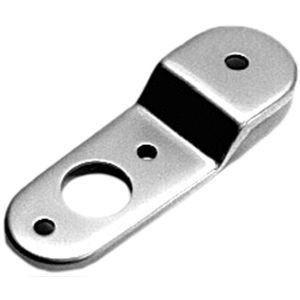
Measure space and set bracket orientation so the horn clears fairings, fork sweep, crash bars, and auxiliary lights. Universal brackets simplify placement, and routing wiring away from heat and moving parts helps prevent failures.
How do I maintain a cruiser horn for consistent performance?
Test the horn regularly, re‑tighten mounting hardware, and keep connectors clean with dielectric protection to prevent corrosion. If the horn has a trumpet, aim it downward to shed water and reduce road grime intrusion.