Begin typing to search, when autocomplete results are available use up and down arrows to review and enter to select. Selecting an options will take you to a new page. Touch device users, explore by touch.SEARCH
Search within a riding style, select an optionBegin typing to search, when autocomplete results are available use up and down arrows to review and enter to select. Selecting an options will take you to a new page. Touch device users, explore by touch.
Free shipping on orders over $79 to Illinois
Orders over $79.00 will receive free shipping. This is a residential delivery service, deliveries Monday through Friday from 9:00am to 8:00pm.
How important is exact make/model/year fitment when shopping cruiser fuel tanks?
Exact make/model/year fitment is critical to ensure mounting tab alignment, correct petcock/sending unit placement, proper venting and clearance for handlebars and knees—always verify the tank’s fitment details and dimensions before ordering.
Which tank materials work best for cruiser riding and varying weather conditions?
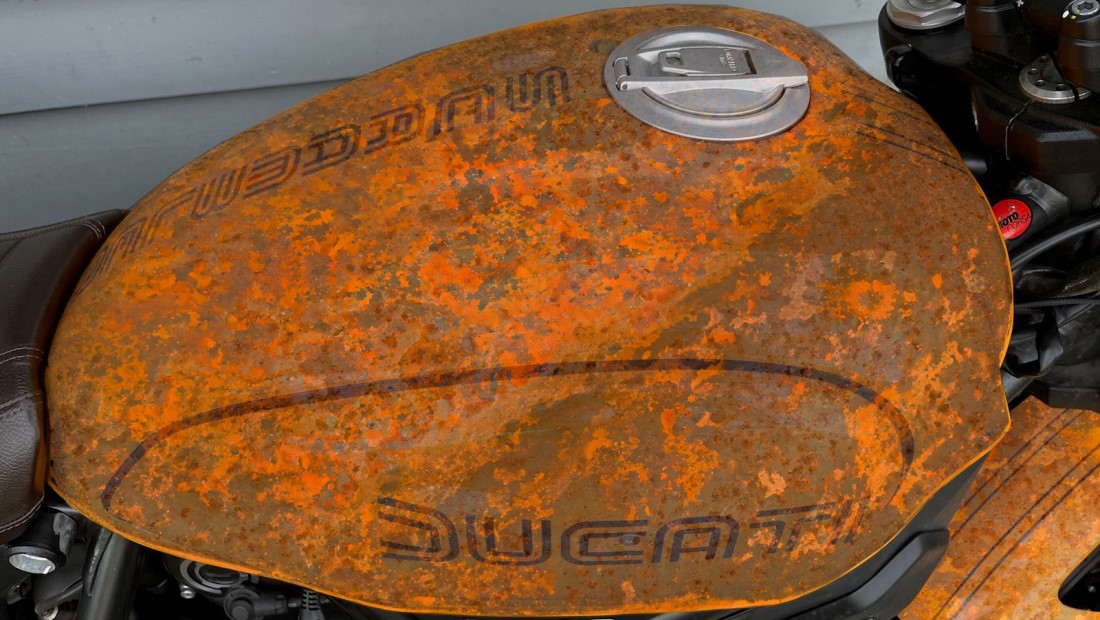
Choose steel or aluminum for classic looks and dent repairability with proper rust protection, or opt for polyethylene/plastic for corrosion and UV resistance; confirm ethanol compatibility and protective finishes based on climate and maintenance preference.
What capacity and internal features should I prioritize for commuting versus long-distance cruising?
For everyday commuting, stick with stock-capacity tanks for balanced handling; for long-distance cruising choose an extended-capacity tank with internal anti-slosh baffling to maintain stability and reduce fuel movement.
What mounting, outlet, and venting features prevent leaks and fuel starvation on cruisers?
Look for bolt-on mounting brackets that match your frame, correctly positioned outlets and petcock/sending unit compatibility, secure barbs and cap seals, and reliable venting to avoid pressure issues and leakage under vibration.
How do common cruiser modifications affect tank selection and installation?
Aftermarket seats, handlebars, and exhausts change clearance and routing, so pick tanks with compatible profiles, recessed or slim ergonomics, and reinforced mounts, and inspect sending-arm/gauge reach and sealing after installation.