Begin typing to search, when autocomplete results are available use up and down arrows to review and enter to select. Selecting an options will take you to a new page. Touch device users, explore by touch.SEARCH
Search within a riding style, select an optionBegin typing to search, when autocomplete results are available use up and down arrows to review and enter to select. Selecting an options will take you to a new page. Touch device users, explore by touch.
Free shipping on orders over $79 to Illinois
Orders over $79.00 will receive free shipping. This is a residential delivery service, deliveries Monday through Friday from 9:00am to 8:00pm.
What materials and finishes should I choose for cruiser engine covers?
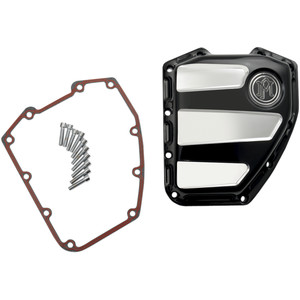
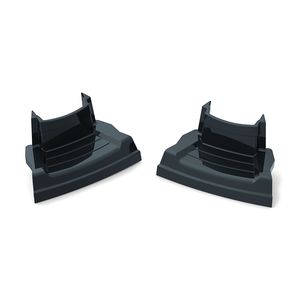
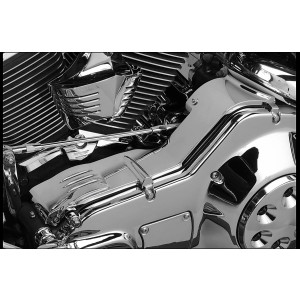
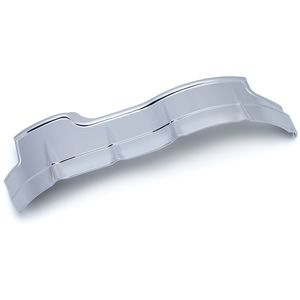
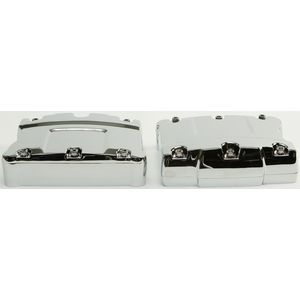
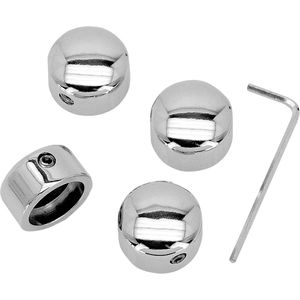
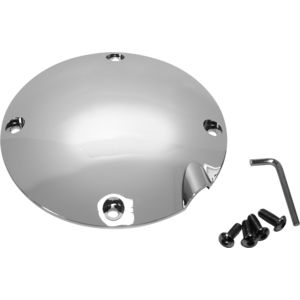
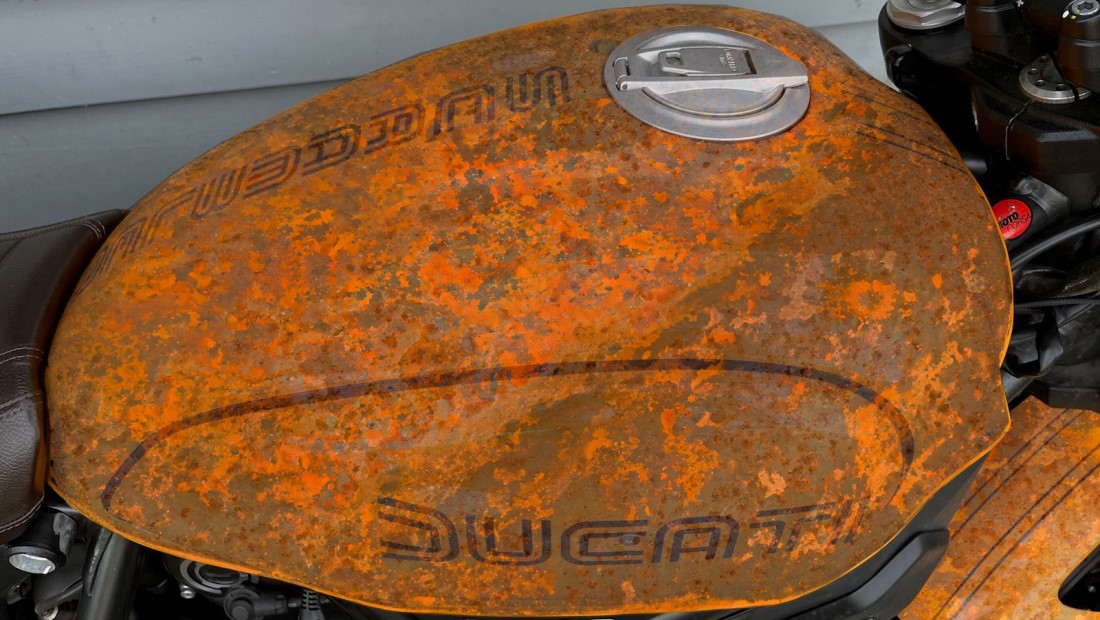
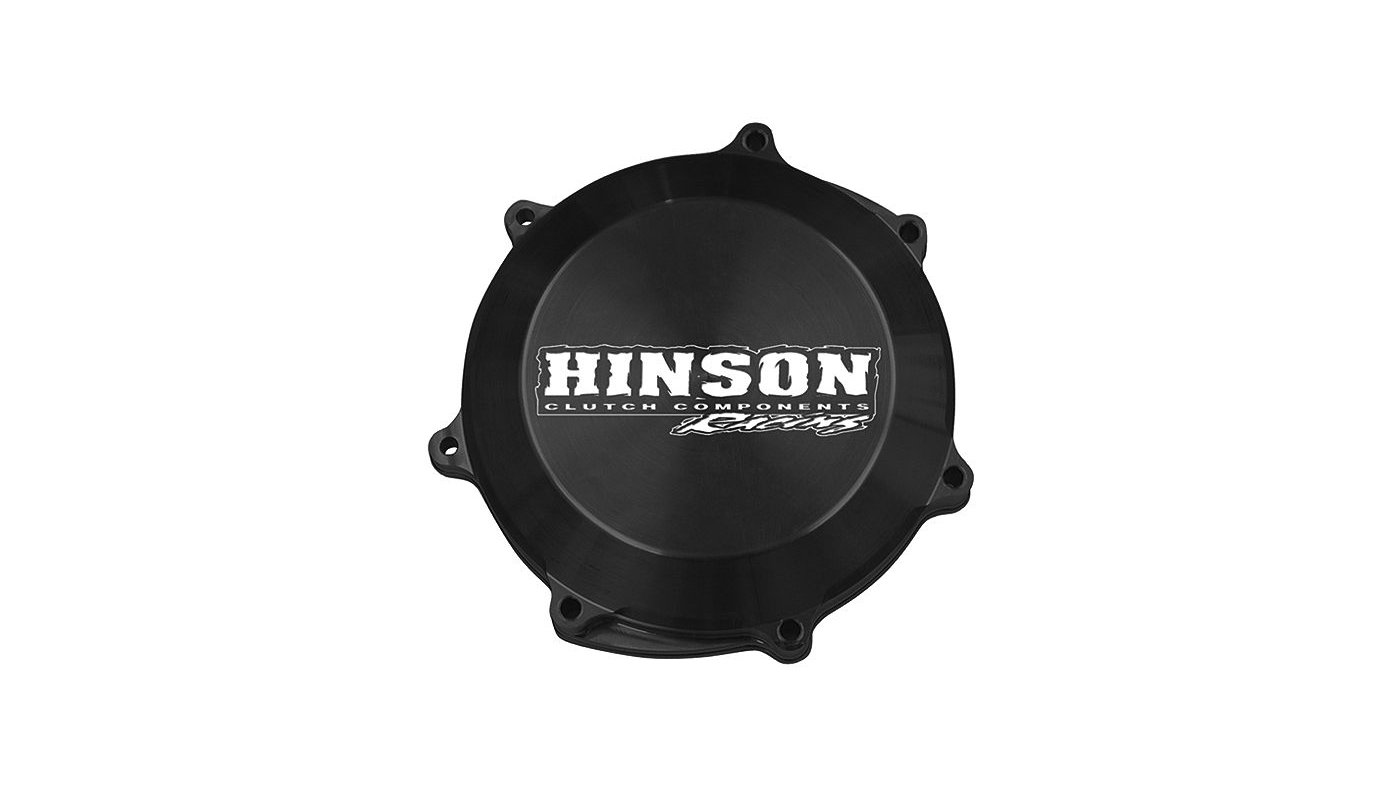
Pick billet aluminum or stainless with powder-coated, anodized, or high-quality chrome finishes for durability and corrosion resistance; avoid bare steel or thin electroplating that can pit in wet or coastal riding.
How should I think about fit and clearance on a cruiser?
Choose model-specific covers for a snug, rattle-free fit and verify clearance around floorboards, engine guards, primary housings, and exhaust heat shields to prevent contact or vibration.
Do engine cover designs affect performance or cooling?
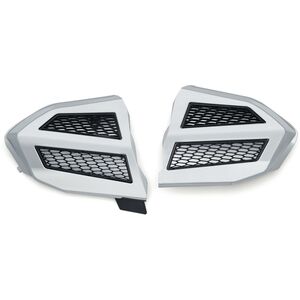
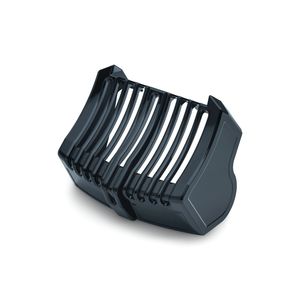
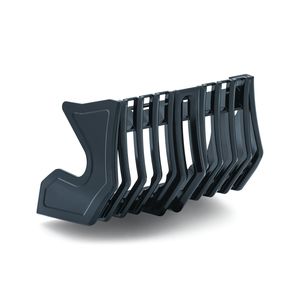
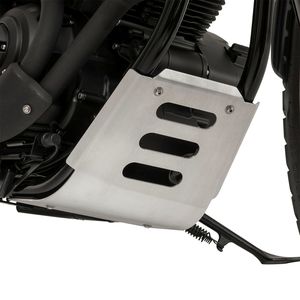
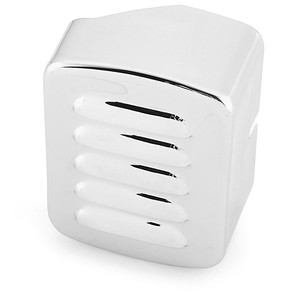
Solid covers maximize impact protection, while finned or vented styles can modestly aid heat shedding in hot climates without sacrificing coverage.
Are these covers easy to install?
Most are bolt-on with basic tools—dry-fit first, clean mating surfaces, use the supplied hardware or thread treatment as directed, and recheck fasteners after your first rides.
How do I maintain the finish over time?
Wash with pH-neutral soap and a soft cloth, avoid abrasives, apply metal-appropriate polish or a light protectant, and inspect hardware regularly—especially if you ride in rain or near the ocean.