Begin typing to search, when autocomplete results are available use up and down arrows to review and enter to select. Selecting an options will take you to a new page. Touch device users, explore by touch.SEARCH
Search within a riding style, select an optionBegin typing to search, when autocomplete results are available use up and down arrows to review and enter to select. Selecting an options will take you to a new page. Touch device users, explore by touch.
Free shipping on orders over $79 to Illinois
Orders over $79.00 will receive free shipping. This is a residential delivery service, deliveries Monday through Friday from 9:00am to 8:00pm.
What key features should I prioritize when choosing a women's chest protector?
Prioritize CE Level 1 or 2 certification, coverage from collarbone to lower ribs with side wrap, choice of hard shell versus soft/hybrid armor, good ventilation, adjustable straps/elastic, and a women-specific contour to prevent shifting during movement.
Which chest protector type is best for ATV and off‑road riding?
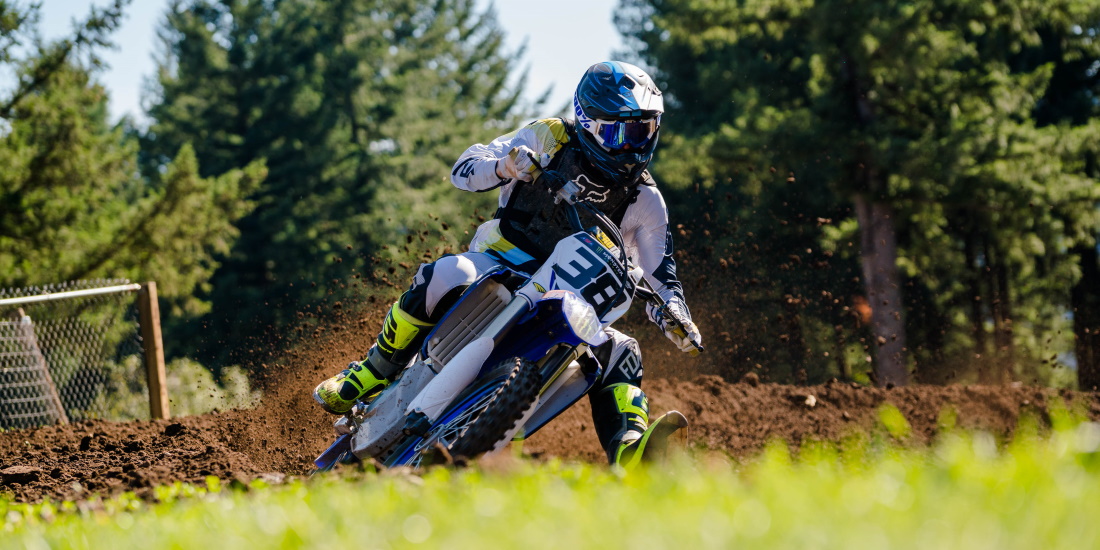
For ATV and off‑road use, choose a hard shell or full-chest protector with CE Level 2, high ventilation and roost-deflection design, durable construction for repeated impacts, and secure adjustability to stay put during aggressive terrain.
Can I wear a chest protector under a jacket or over a jersey for different weather on an ATV?
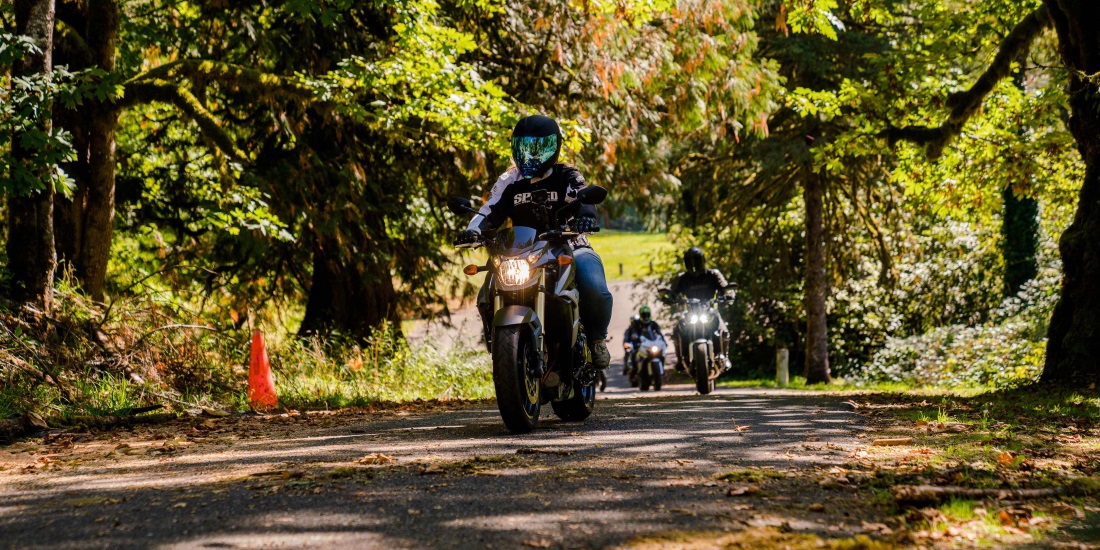
Yes — slim, ventilated soft or hybrid protectors work well under jackets in cooler or urban conditions, while standalone vests or hard shells layer over jerseys for hot, off‑road riding; pick adjustable designs that allow full arm movement and accommodate base layers.
How do materials like polycarbonate shells or D3O/foam hybrids affect protection and comfort?
Rigid polycarbonate or composite shells disperse and resist high‑energy impacts and roost, while D3O or foam hybrids provide flexibility and articulation for long rides; choose the material based on your riding style and prioritize certified protection.
What maintenance and inspection should I perform to keep a chest protector effective?
Clean per the manufacturer’s instructions and air dry after wet rides, routinely inspect shells, foam and straps for cracks, compression or wear, and replace the protector or damaged components after any significant impact to maintain protection.