Begin typing to search, when autocomplete results are available use up and down arrows to review and enter to select. Selecting an options will take you to a new page. Touch device users, explore by touch.SEARCH
Search within a riding style, select an optionBegin typing to search, when autocomplete results are available use up and down arrows to review and enter to select. Selecting an options will take you to a new page. Touch device users, explore by touch.
Free shipping on orders over $79 to Illinois
Orders over $79.00 will receive free shipping. This is a residential delivery service, deliveries Monday through Friday from 9:00am to 8:00pm.
What should I check before choosing ATV wheel hubs?
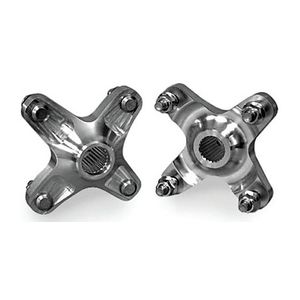
Match your axle type, brake mount pattern, wheel interface (spoke holes or bolt pattern), bearing style/size, and hub spacing/offset to your machine; even small mismatches can cause alignment or braking issues. Consult your service manual and measure with calipers for confirmation.
Are ATV wheel hubs suitable for dirt bikes, adventure bikes, street bikes, or cruisers?
No—these hubs are built for ATVs/UTVs and may not fit or perform safely on motorcycles without custom fabrication, risking handling problems, brake incompatibility, or structural failure.
Which hub materials and designs work best for mud, rocks, and utility riding?
Choose durable cast/monoblock hubs with sealed cartridge bearings and corrosion-resistant finishes for wet, muddy, and high-impact terrain. Sealed units reduce maintenance and keep grit out for longer service life.
What installation tips help ensure a smooth ATV hub swap?
Verify clearance in the knuckle/swingarm, match rotor mount and wheel interface, align spacers and seals, and recheck fasteners after your first ride. Spin the wheel to confirm smooth bearings and true braking surfaces before heading out.
How do wheel spacers, oversized brakes, or aftermarket rims affect hub selection?
Confirm the hub’s bolt/rotor pattern and offset to keep the wheel centered, and choose robust hubs with sealed bearings to handle added loads from spacers, larger brakes, or heavier tires. Check that accessories don’t interfere with calipers, sensors, or seals.