Begin typing to search, when autocomplete results are available use up and down arrows to review and enter to select. Selecting an options will take you to a new page. Touch device users, explore by touch.SEARCH
Search within a riding style, select an optionBegin typing to search, when autocomplete results are available use up and down arrows to review and enter to select. Selecting an options will take you to a new page. Touch device users, explore by touch.
Free shipping on orders over $79 to Illinois
Orders over $79.00 will receive free shipping. This is a residential delivery service, deliveries Monday through Friday from 9:00am to 8:00pm.
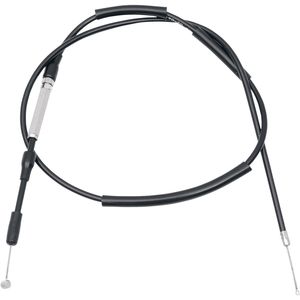
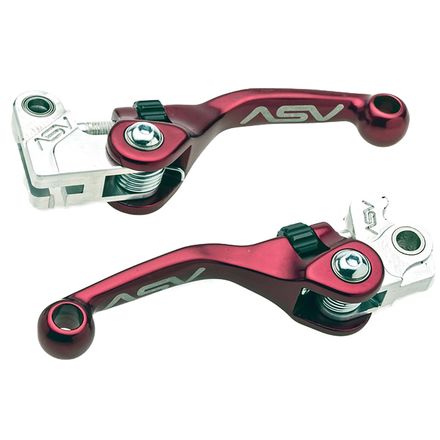
What types of hot-start levers are available for ATVs and how do I choose one?
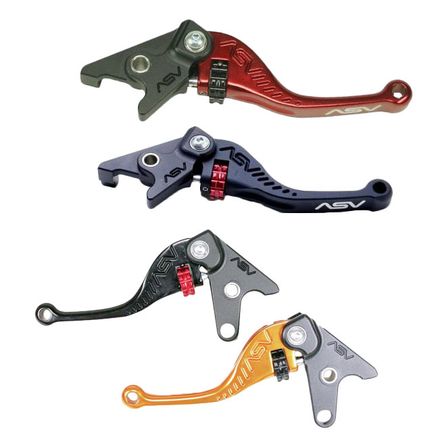
Hot-start levers come in different actuation styles and construction types—choose a design that matches your ATV’s starting system and intended use (daily utility, off-road, cold-weather); prefer reinforced or adjustable designs for more demanding riding.
Which materials and finishes hold up best for muddy, wet, or salty environments?
Look for corrosion-resistant options like stainless steel or anodized aluminum and durable protective coatings; regular rinsing, drying, and light lubrication after wet rides will preserve finish and function.
How should my typical riding style and terrain influence my selection?
If you ride aggressive trails or heavy-duty work, prioritize rugged pivot points and low-profile designs for debris clearance; for mostly pavement or light trails, smoother-action and lighter materials improve usability.
What level of installation effort and routine maintenance should I expect?
Most hot-start levers are straightforward bolt-on installs with simple alignment and clearance checks; plan periodic inspections of the pivot, fasteners, and lubrication to maintain reliable operation.
How do common engine or exhaust modifications affect hot-start lever performance?
Modifications that change starting characteristics can alter the required lever travel or actuation force, so pick a lever with adaptable range and re-check lever position after upgrades; always test-start and fine-tune adjustments to ensure consistent engagement.