Begin typing to search, when autocomplete results are available use up and down arrows to review and enter to select. Selecting an options will take you to a new page. Touch device users, explore by touch.SEARCH
Search within a riding style, select an optionBegin typing to search, when autocomplete results are available use up and down arrows to review and enter to select. Selecting an options will take you to a new page. Touch device users, explore by touch.
Free shipping on orders over $79 to Illinois
Orders over $79.00 will receive free shipping. This is a residential delivery service, deliveries Monday through Friday from 9:00am to 8:00pm.
Which helmet camera specs matter most for ATV trails?
Prioritize 4K–8K resolution with 60fps for sharp action, strong electronic image stabilization (EIS) to tame vibration, and a wide field of view; if you cruise, 1080p at moderate FPS saves battery.
Are these cameras waterproof and tough enough for mud, rain, and creek crossings?
Choose IPX7+ or IP68 with sealed doors and lens protectors; many also handle cold rides. After muddy runs, rinse the housing, dry ports, and inspect gaskets to maintain water resistance.
How should I mount a camera on an ATV helmet or machine?
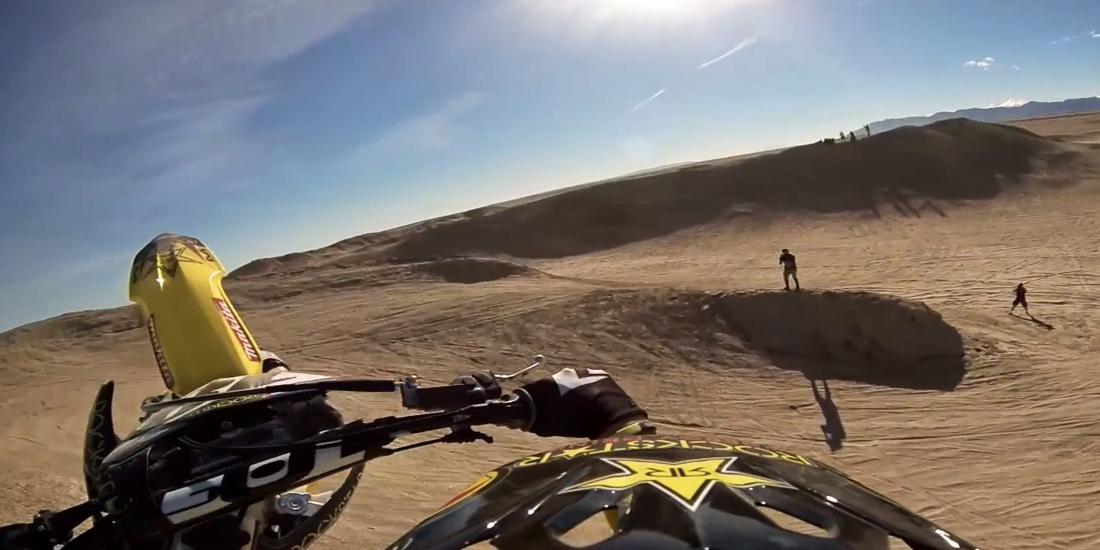
Use curved or flat adhesive mounts for helmet chin/side, and bar or roll-cage clamps for ATVs/UTVs; add a vibration-damping insert and a safety tether. Position it clear of visors, windscreens, and light bars, and use a quick-release base for gloved swaps.
How long will the battery last on an ATV ride, and what are options for all-day filming?
Runtime varies by settings—higher resolution and FPS drain faster—so plan spare batteries or a power bank; some vehicle-powered systems record continuously. 4K with EIS is a strong balance of quality and endurance.
Should I choose a 360 camera or a single-lens action cam for ATV riding?
360 cams capture everything for reframing and group shots but are heavier and use battery faster; single-lens cams are simpler, often last longer, and can perform better in low light. Either way, look for robust EIS and waterproofing to handle rough terrain.