Begin typing to search, when autocomplete results are available use up and down arrows to review and enter to select. Selecting an options will take you to a new page. Touch device users, explore by touch.SEARCH
Search within a riding style, select an optionBegin typing to search, when autocomplete results are available use up and down arrows to review and enter to select. Selecting an options will take you to a new page. Touch device users, explore by touch.
Free shipping on orders over $79 to Illinois
Orders over $79.00 will receive free shipping. This is a residential delivery service, deliveries Monday through Friday from 9:00am to 8:00pm.
What types of 2-stroke silencers are available and how do they affect performance?
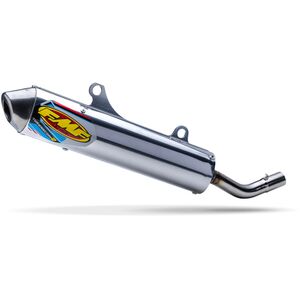
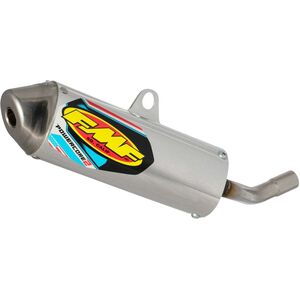
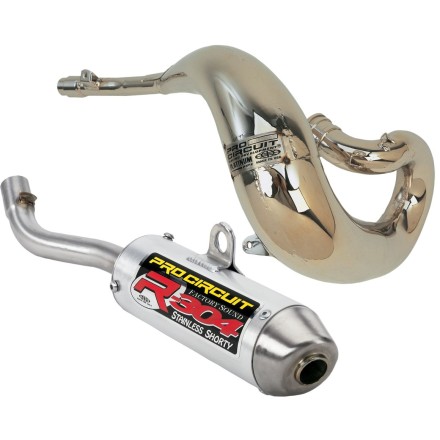
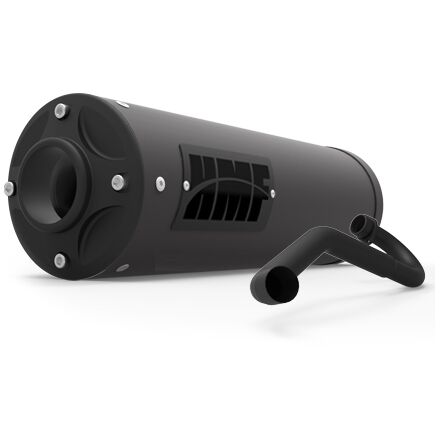
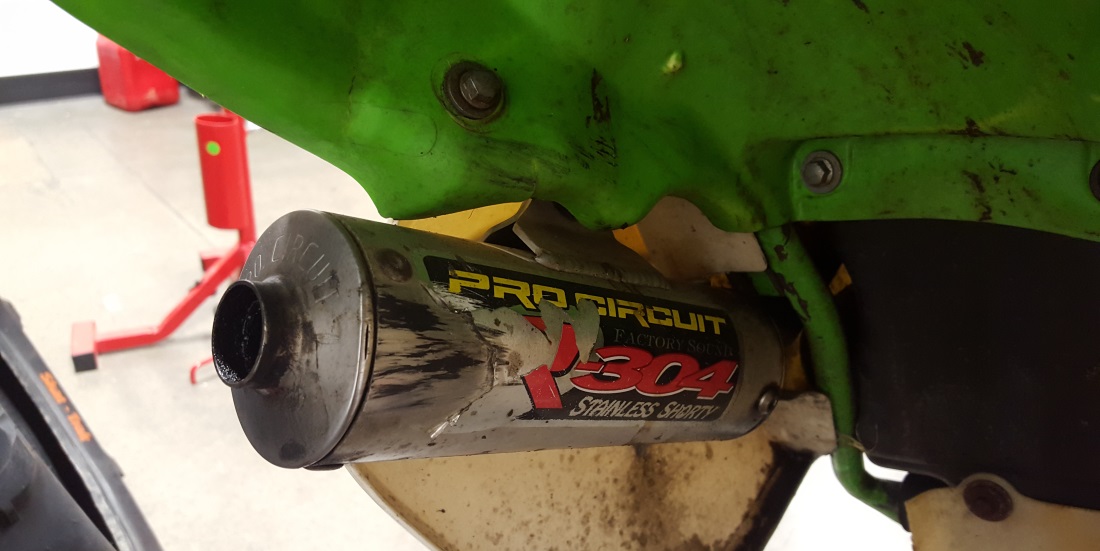
Straight-through packed silencers favor exhaust flow and top-end power but need periodic repacking, chambered designs prioritize quieter operation at the cost of some flow, and repackable or insert-equipped options offer easier service and tuning flexibility.
Which silencer styles work best for ATVs and 2-stroke dirt bikes across trail, rock, and track riding?
Choose flow-focused straight-through/packed designs for high-rev off-road performance, low-profile or oval shapes for better ground clearance on rough terrain, and chambered or insert-equipped units where quieter operation is needed.
How do materials and finishes influence durability and performance in wet or muddy conditions?
Steel provides rugged vibration resistance for hard use, while stainless, titanium, or carbon constructions resist corrosion and shed mud better; protective finishes and regular cleaning extend service life.
How should sound output and local noise rules affect my silencer selection and upkeep?
Tone and volume are driven by internal design, material, and packing condition—packed units get louder as packing degrades while chambered units are quieter—so pick a design that meets noise requirements and inspect/replace packing as needed.
What installation and maintenance checks keep a 2-stroke silencer performing after upgrades or mods?
Ensure proper alignment and clearance during installation to prevent contact damage, inspect packing and joints regularly for wear or corrosion, and note that exhaust or engine modifications can change flow characteristics and may require additional maintenance or tuning.