Begin typing to search, when autocomplete results are available use up and down arrows to review and enter to select. Selecting an options will take you to a new page. Touch device users, explore by touch.SEARCH
Search within a riding style, select an optionBegin typing to search, when autocomplete results are available use up and down arrows to review and enter to select. Selecting an options will take you to a new page. Touch device users, explore by touch.
Free shipping on orders over $79 to Illinois
Orders over $79.00 will receive free shipping. This is a residential delivery service, deliveries Monday through Friday from 9:00am to 8:00pm.
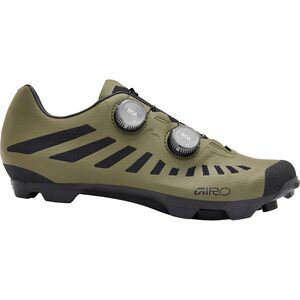
Can I use mountain bike shoes for motorcycle riding?
No — mountain bike shoes lack reinforced ankle and shin protection, impact armor, and oil-resistant, rigid soles needed for motorcycle crashes and low-speed falls; choose purpose-built motorcycle boots for safe riding.
What protection and construction should I look for in motorcycle footwear instead of MTB shoes?
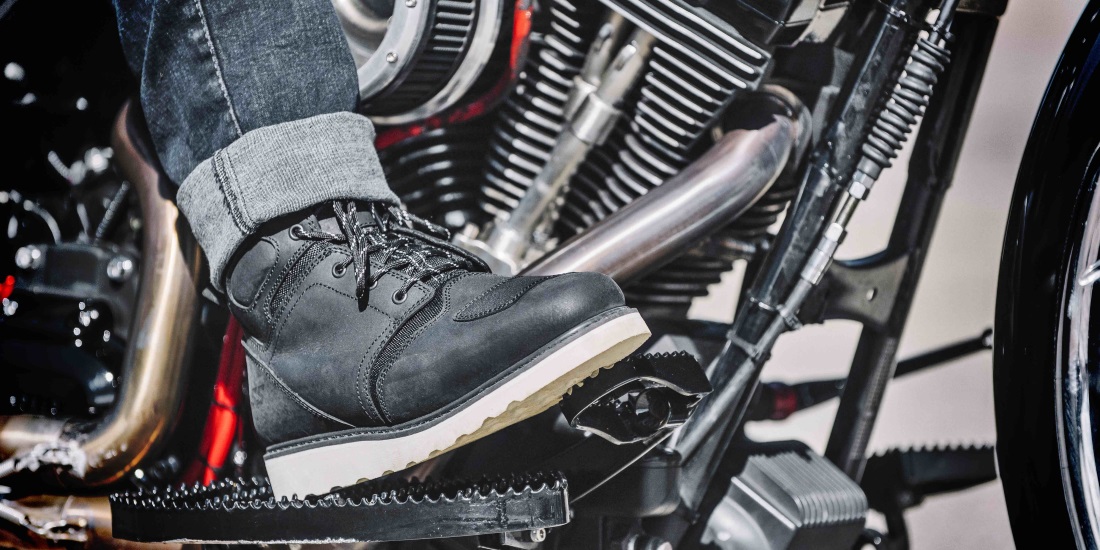
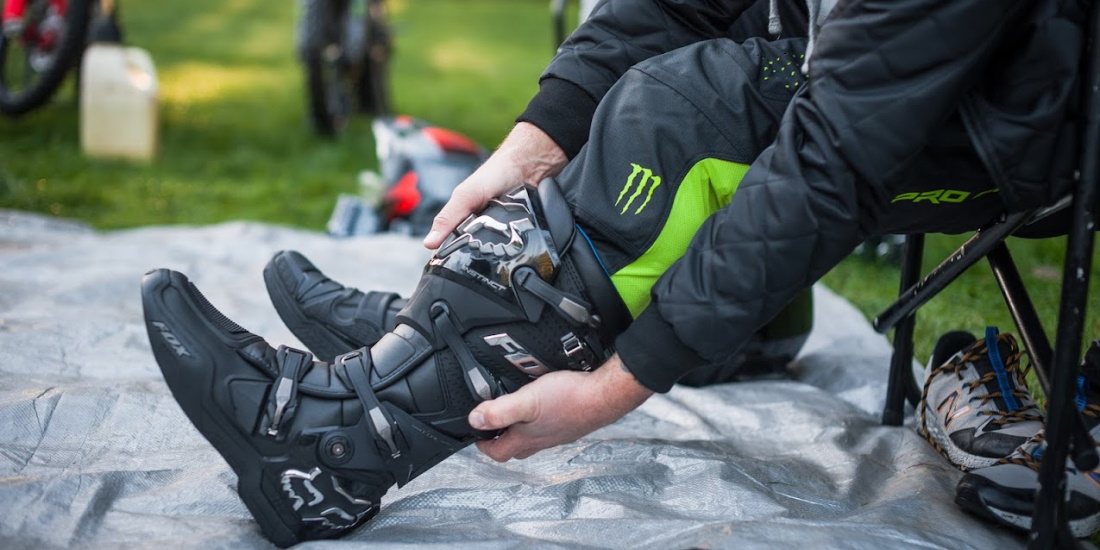
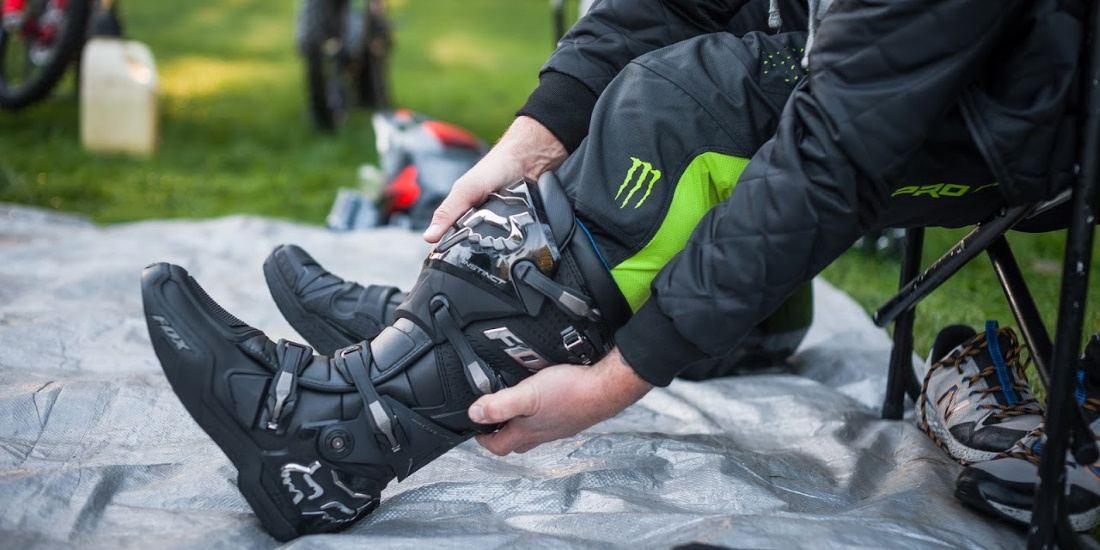
Prioritize reinforced toe and heel boxes, ankle/shin armor, CE-certified impact protection, oil- and slip-resistant rubber soles with a stiff shank, secure closures like buckles or zips, and abrasion-resistant materials with stitched construction.
How do I pick boots for my riding style and terrain?
Match boot type to your ride: low- to mid-height, walkable boots for urban commuting; tall, stiff, buckled boots for off-road and adventure; mid-high, reinforced boots for touring; and high-support, track-focused boots for sport riding, choosing waterproof or breathable membranes for weather needs.
Are mountain bike soles good for use with motorcycle foot pegs?
No — MTB lugged, flexible soles are optimized for pedal traction and can degrade on oil or mud and lack a rigid shank for twist protection and reliable peg control; look for oil-resistant rubber and a stiff, peg-friendly sole on motorcycle boots.
How should I care for motorcycle boots to keep protection and durability?
Clean off dirt and contaminants, treat and condition leather, let waterproof membranes dry properly, inspect stitching, closures, and armor for wear, and replace worn soles or damaged components to maintain protection and longevity.