Begin typing to search, when autocomplete results are available use up and down arrows to review and enter to select. Selecting an options will take you to a new page. Touch device users, explore by touch.SEARCH
Search within a riding style, select an optionBegin typing to search, when autocomplete results are available use up and down arrows to review and enter to select. Selecting an options will take you to a new page. Touch device users, explore by touch.
Free shipping on orders over $79 to Illinois
Orders over $79.00 will receive free shipping. This is a residential delivery service, deliveries Monday through Friday from 9:00am to 8:00pm.
What makes an off-road helmet suited to UTV riding?
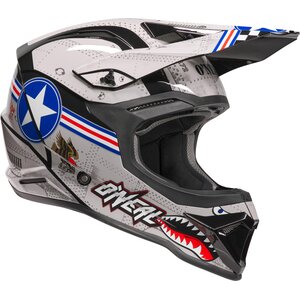
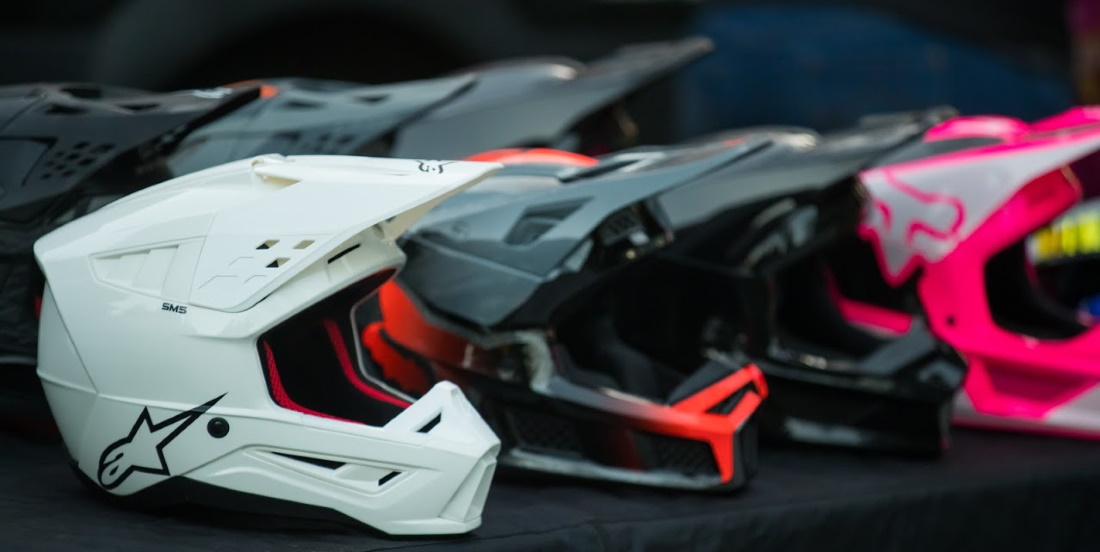
Extended chin bars, large peak visors, no face shield (for goggles), and high-flow ventilation handle dust, mud, and heat. Unlike street or ADV helmets, they prioritize debris protection and goggle use over aerodynamics or built-in shields.
Which safety standards should I prioritize?
Look for DOT at minimum. Snell or ECE add further testing, and MIPS helps manage rotational impacts.
What shell materials and weight should I consider for UTV use?
Carbon fiber and fiberglass help keep weight low to reduce neck fatigue, while polycarbonate is durable and impact-resistant. Choose the lightest construction that meets your safety certifications.
How should I set up a UTV off-road helmet for dusty trails or dunes?
Choose multiple adjustable vents and a removable, washable liner, and look for a removable mouthpiece or dust ports. Pair with goggles and an optional dust mask, and set the peak for sun/roost coverage without blocking your view.
How do I dial in fit and accessory compatibility?
Measure your head and match the interior shape (round to long oval) for a snug, stable fit with no hotspots. Test with your goggles and any communication speakers to confirm strap routing, cheek pad clearance, and visor room.