Begin typing to search, when autocomplete results are available use up and down arrows to review and enter to select. Selecting an options will take you to a new page. Touch device users, explore by touch.SEARCH
Search within a riding style, select an optionBegin typing to search, when autocomplete results are available use up and down arrows to review and enter to select. Selecting an options will take you to a new page. Touch device users, explore by touch.
Free shipping on orders over $79 to Illinois
Orders over $79.00 will receive free shipping. This is a residential delivery service, deliveries Monday through Friday from 9:00am to 8:00pm.
What features matter most in a helmet camera for UTV trails and dunes?
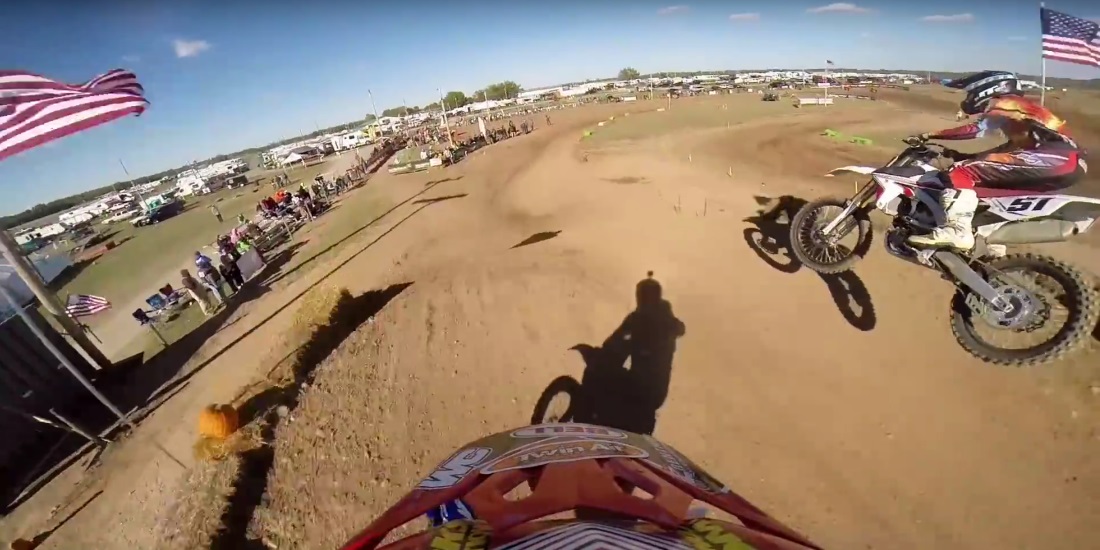
Prioritize high-resolution video with strong stabilization, a wide or 360-degree field of view, waterproof construction, and HDR/low-light modes; a lightweight, low-profile design reduces wind drag and neck fatigue.
Where should I mount a helmet camera for the best UTV POV?
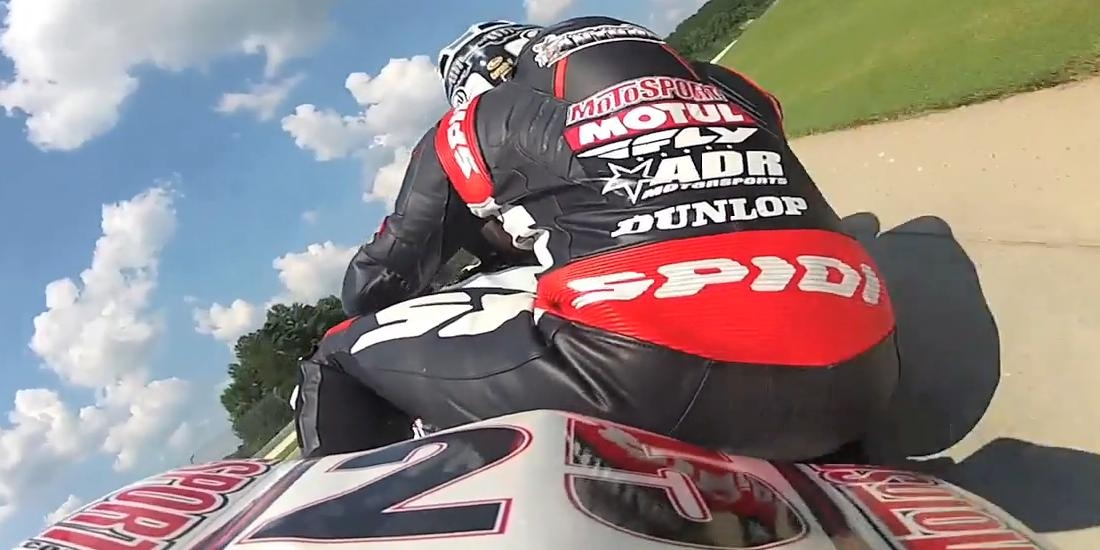
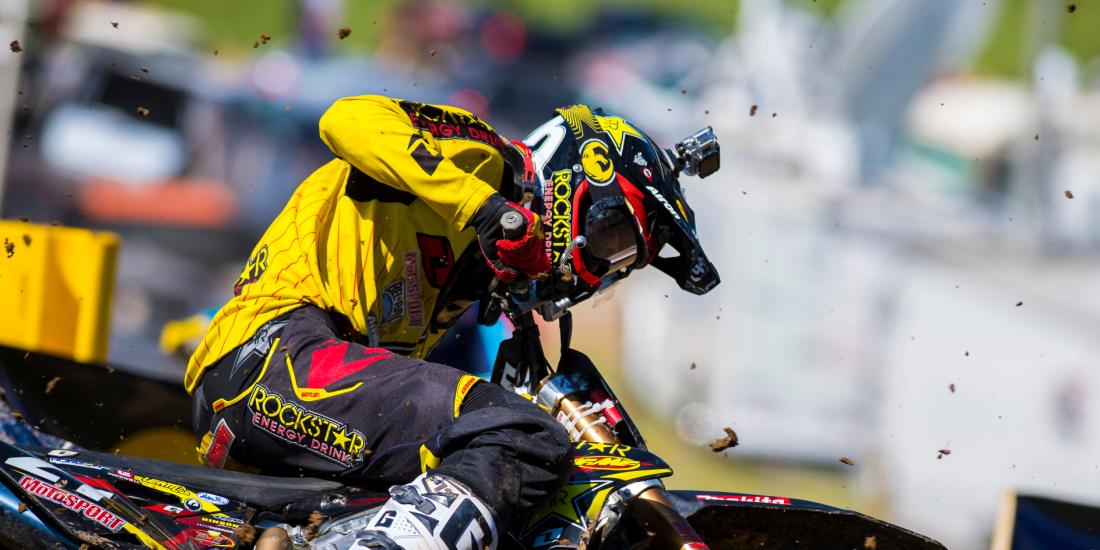
Chin or top-of-helmet mounts give immersive rider perspective, while roll-cage or bar mounts provide a stable vehicle view; use rigid, anti-vibration hardware, add a safety tether, and check clearance with visors, windshields, and roofs.
How can I get clear audio in a noisy UTV?
Look for wind-reduction mics, Bluetooth headset integration, and dual-track recording; place the mic out of direct airflow and use a foam windscreen for cleaner voice and engine sound.
What should I consider for power and storage on full-day UTV rides?
Choose cameras with multi-hour endurance, carry spare batteries or connect to vehicle power, use high-speed microSD cards, and enable loop recording or auto-highlights to manage space.
How do helmet cameras handle mud, water, and night conditions, and how should I maintain them?
Select waterproof, sealed designs with lens protectors and smart night modes; after rides, rinse off mud, dry ports and mounts, clean the lens, and inspect adhesives/clamps and O-rings before the next outing.