Begin typing to search, when autocomplete results are available use up and down arrows to review and enter to select. Selecting an options will take you to a new page. Touch device users, explore by touch.SEARCH
Search within a riding style, select an optionBegin typing to search, when autocomplete results are available use up and down arrows to review and enter to select. Selecting an options will take you to a new page. Touch device users, explore by touch.
Free shipping on orders over $79 to Illinois
Orders over $79.00 will receive free shipping. This is a residential delivery service, deliveries Monday through Friday from 9:00am to 8:00pm.
What should I prioritize when choosing a shock linkage for your motorcycle?
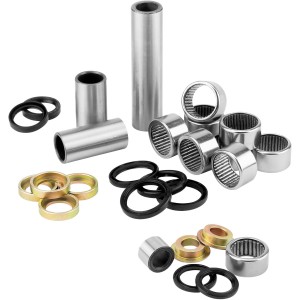
Prioritize compatibility with your bike’s suspension geometry and leverage ratio, then match the linkage type and progression to your terrain, vehicle type, rider weight, and typical weather for safe, predictable performance.
How do leverage ratio and linkage type change ride feel?
Leverage ratio and rising- or progressive-rate linkages determine how wheel movement translates to shock movement, giving plush small-bump compliance and firmer end-stroke resistance; mismatched ratios require different spring and damping tuning to maintain balance.
How do shock linkages benefit utility and UTV riding conditions?
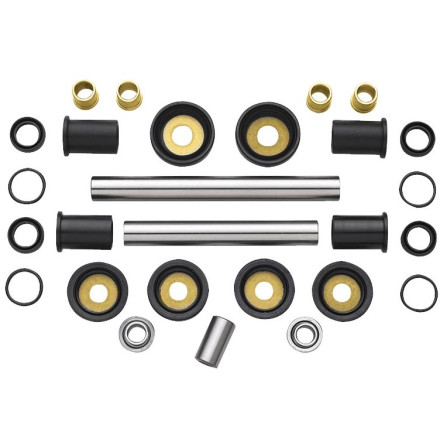
Linkages allow tunable progression for heavy loads and rough terrain, lower center of gravity for stability, and when paired with weather-resistant bearings they resist mud and corrosion common in utility use.
What should I look for in aftermarket motorcycle shock linkages and finishes?
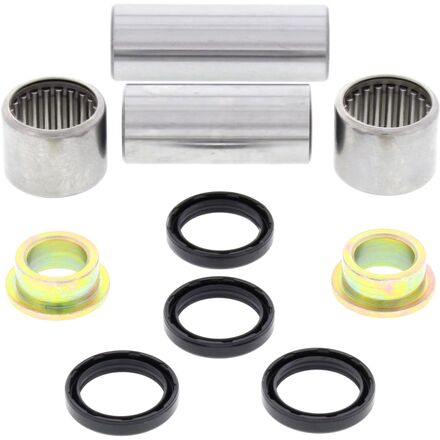
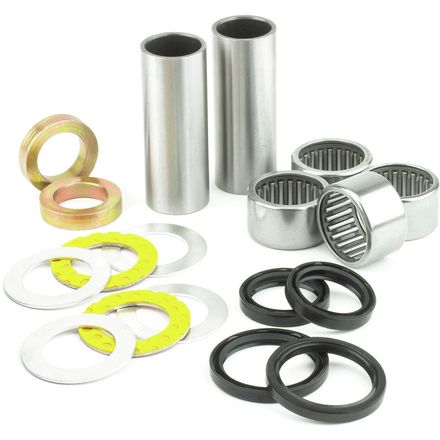
Choose durable materials and corrosion-resistant finishes with sealed or serviceable bearings, confirm alignment and clearance during install, and match linkage progression to your intended riding style for reliable performance and easier maintenance.
How do linkages interact with common suspension mods and affect safety?
Linkages change leverage and ride height behavior, so account for altered spring/damping needs, inspect pivots regularly, and prefer sealed or greasable bearings and corrosion-resistant hardware to maintain safe operation under varied conditions.