Begin typing to search, when autocomplete results are available use up and down arrows to review and enter to select. Selecting an options will take you to a new page. Touch device users, explore by touch.SEARCH
Search within a riding style, select an optionBegin typing to search, when autocomplete results are available use up and down arrows to review and enter to select. Selecting an options will take you to a new page. Touch device users, explore by touch.
Free shipping on orders over $79 to Illinois
Orders over $79.00 will receive free shipping. This is a residential delivery service, deliveries Monday through Friday from 9:00am to 8:00pm.
What key features should I prioritize in a riding pack for utility or off-road use?
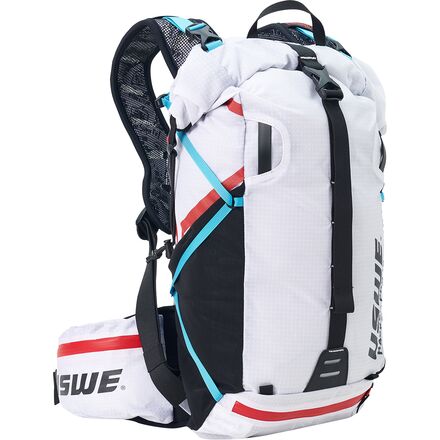
Choose high-denier fabrics (500D+, like 900D nylon or 420D Cordura) with reinforced stitching, weatherproof construction (roll-top or covered zips), padded adjustable shoulder/chest/waist straps, and breathable back panels. MOLLE attachment and reflective elements add modularity and visibility.
How do I pick the right capacity and profile for my riding style and terrain?
Go slim 15–25L for quick city runs, 25–35L modular for off-road/utility, and 30–40L with hip belt and hydration for long touring days. Favor aerodynamic profiles for street speed and rugged roll-top designs with external straps, compartments, and tool sleeves for dirt and mixed terrain.
Are these packs actually waterproof, and what closure style is best for mud and dust?
Fully waterproof packs use coated materials, sealed seams, and roll-top closures that block water and debris; water-resistant zippers benefit from storm flaps or a rain cover in prolonged downpours. For muddy or dusty rides, roll-top designs seal more reliably than standard zips.
How should a riding pack fit over armor or jackets on ATV/UTV rides?
Cinch shoulder, sternum, and waist straps so the load rides high and close to your back for stability over bumps, with even weight distribution. Route hydration hoses cleanly, keep snag points minimal, and test-fit with your typical tools and layers.
How do I maintain a pack to keep it durable and weather-ready after rough rides?
Rinse off mud and dust, air-dry fully, and reapply DWR if water stops beading; keep zippers clean and lightly lubricated. Inspect straps, buckles, and stitching regularly to ensure closures stay secure and the harness remains supportive.