Begin typing to search, when autocomplete results are available use up and down arrows to review and enter to select. Selecting an options will take you to a new page. Touch device users, explore by touch.SEARCH
Search within a riding style, select an optionBegin typing to search, when autocomplete results are available use up and down arrows to review and enter to select. Selecting an options will take you to a new page. Touch device users, explore by touch.
Free shipping on orders over $79 to Illinois
Orders over $79.00 will receive free shipping. This is a residential delivery service, deliveries Monday through Friday from 9:00am to 8:00pm.
How do I choose the right piston kit for a utility build?
Start with exact compatibility for your vehicle’s make, model, year, engine code, bore, stroke, and two-stroke vs. four-stroke design, then match your riding demands (load, heat, terrain). Confirm the kit is complete for a consistent install.
Cast vs. forged pistons: which is better for work and trail duty?
Cast suits routine utility use with smooth operation, while forged excels under heavy loads, heat, and off-road abuse. Choose forged if you tow, ride hard, or see extreme temperatures.
What specs should I verify before ordering a piston kit?
Confirm bore size, compression ratio target, ring type and end gap, pin diameter, and two-stroke vs. four-stroke configuration. Look for anti-friction coatings and ensure the kit includes piston, rings, pin, and circlips.
When should I select an oversized piston?
Choose oversized only after the cylinder is measured and machined for a larger diameter due to wear or damage. Match the graded size to the finished bore and the clearance needed for your conditions.
What accessories and install checks help ensure durability and easy break-in?
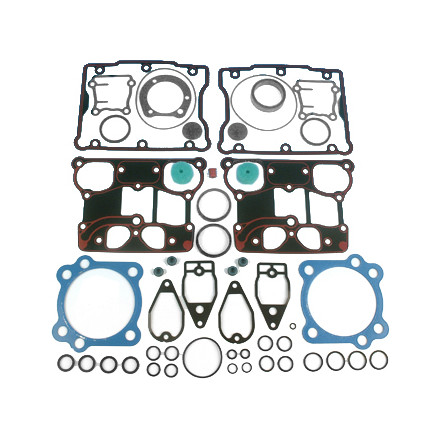
Add fresh gaskets, a small-end bearing, assembly lube, and new circlips for a clean install. Verify ring end gap, groove fit, pin fit, and piston orientation, then follow a careful break-in and inspect for proper sealing.