Begin typing to search, when autocomplete results are available use up and down arrows to review and enter to select. Selecting an options will take you to a new page. Touch device users, explore by touch.SEARCH
Search within a riding style, select an optionBegin typing to search, when autocomplete results are available use up and down arrows to review and enter to select. Selecting an options will take you to a new page. Touch device users, explore by touch.
Free shipping on orders over $79 to Illinois
Orders over $79.00 will receive free shipping. This is a residential delivery service, deliveries Monday through Friday from 9:00am to 8:00pm.
How do I choose the right intake valve material for my engine, RPM range, and riding conditions?
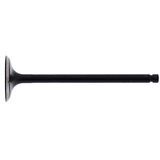
Match material to heat and stress levels: stainless for everyday and mild performance use, titanium for reduced reciprocating weight at high revs, and Inconel for extreme heat or boosted/nitrous applications; consider friction-reducing coatings for street use and corrosion-resistant finishes for wet or dusty conditions.
What valve dimensions and fit details should I verify before purchasing intake valves?
Confirm stem and head diameters, overall length, and concentricity to match your cylinder head and valvetrain geometry, and always cross-check specs with your engine service manual or a professional installer to ensure proper sealing and spring alignment.
How do valve weight and head design affect performance and durability?
Lighter valves favor high-RPM responsiveness while larger head diameters and radius influence airflow and add mass, so pick a design that balances your desired powerband with durability for the terrain you ride.
Which intake valve choices work best for off-road, adventure, and utility platforms?
For off-road and utility use prioritize wear-resistant alloys and self-lubricating guide compatibility to handle vibration, dust, and water exposure; for adventure riding, favor materials that balance heat resistance and weight with protective coatings to reduce galling in mixed terrain.
How should I factor performance modifications and environmental conditions into my valve selection?
If you run high-compression builds, aggressive cams, nitrous, or forced induction, choose premium alloys and ensure valvetrain components are matched to prevent float or misalignment; in hot or high-altitude environments pick thermally stable materials and plan for more frequent inspection and maintenance.