Begin typing to search, when autocomplete results are available use up and down arrows to review and enter to select. Selecting an options will take you to a new page. Touch device users, explore by touch.SEARCH
Search within a riding style, select an optionBegin typing to search, when autocomplete results are available use up and down arrows to review and enter to select. Selecting an options will take you to a new page. Touch device users, explore by touch.
Free shipping on orders over $79 to Illinois
Orders over $79.00 will receive free shipping. This is a residential delivery service, deliveries Monday through Friday from 9:00am to 8:00pm.
How do I choose the right brake rotor type for a utility ATV/UTV?
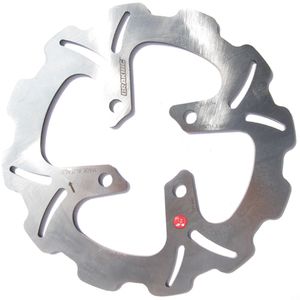
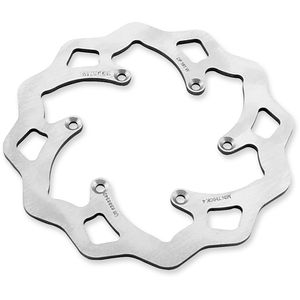
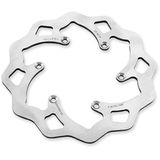
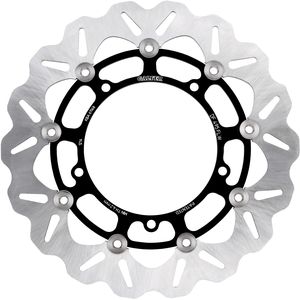
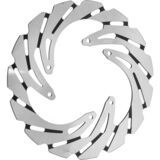
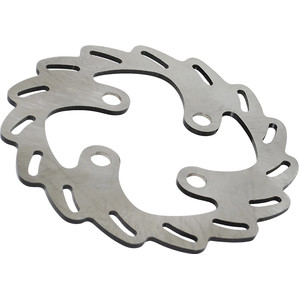
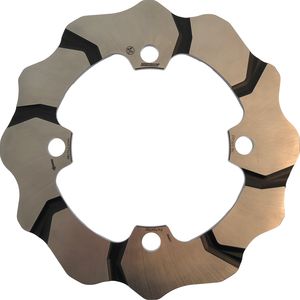
Match rotor type to vehicle, terrain, riding style, and weather: wave or floating for mud/debris and heavy loads; fixed for light-duty trail work; stainless for wet/coastal use. Always confirm it aligns with your machine’s specs before purchase.
Which specs must match before I buy utility brake rotors?
Verify thickness range, overall diameter, bolt pattern, center hub, allowable runout, and material against your model’s requirements, then confirm with the fitment tool for your vehicle.
What are the benefits and trade-offs of oversized rotors for off-road utility use?
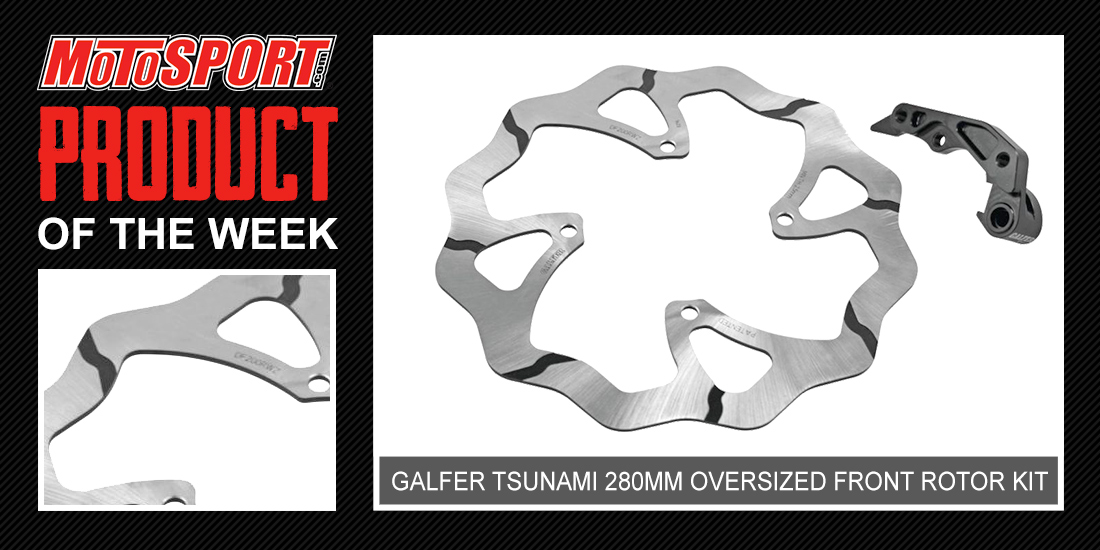
They add stopping leverage and improve heat control to reduce fade on steep terrain, towing, or competitive riding. They may require a caliper bracket or wheel clearance check and aren’t ideal for basic street-style setups.
Are wave, slotted, or drilled rotors better for mud and rain?
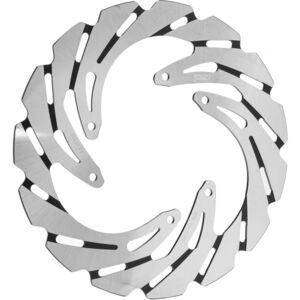
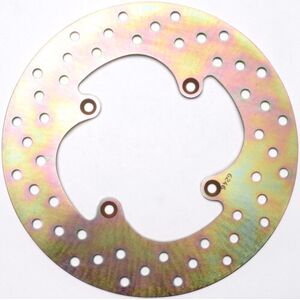
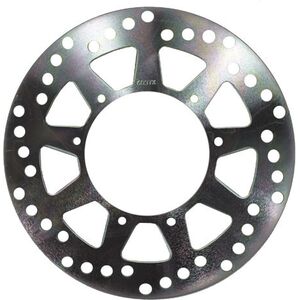
Yes—slots and wave edges clear mud and water and cut weight; drilled designs further aid wet performance and cooling. Note that drilled rotors can wear pads faster and are more susceptible to cracking under extreme heat or impacts.
What installation and maintenance steps keep utility rotors performing their best?
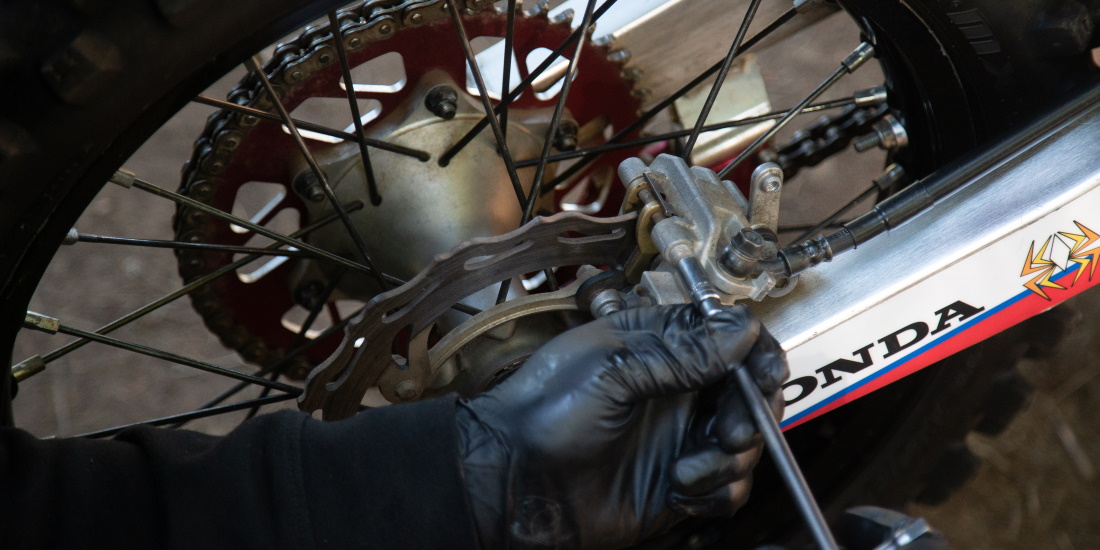
Replace rotors showing warping, cracks, bluing, or deep scoring, and swap in pairs for balanced braking. Clean mounting surfaces, avoid contaminating friction areas, match pads to the rotor material, and keep floating hardware free of debris.