Begin typing to search, when autocomplete results are available use up and down arrows to review and enter to select. Selecting an options will take you to a new page. Touch device users, explore by touch.SEARCH
Search within a riding style, select an optionBegin typing to search, when autocomplete results are available use up and down arrows to review and enter to select. Selecting an options will take you to a new page. Touch device users, explore by touch.
Free shipping on orders over $79 to Illinois
Orders over $79.00 will receive free shipping. This is a residential delivery service, deliveries Monday through Friday from 9:00am to 8:00pm.
What certifications and armor materials should I prioritize when choosing an armored vest?
Look for CE-certified armor rated to EN 1621-1 (Level 1 or Level 2), with Level 2 offering higher impact protection; common effective materials include hard plates (Kevlar, carbon fiber, ballistic nylon), high-density foam, and composite constructions that balance protection and mobility.
What parts of my body does an armored vest protect and what other protection should I pair with it?
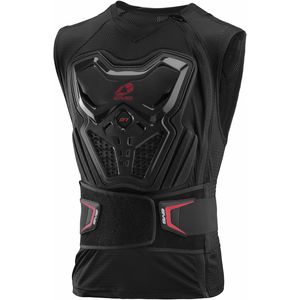
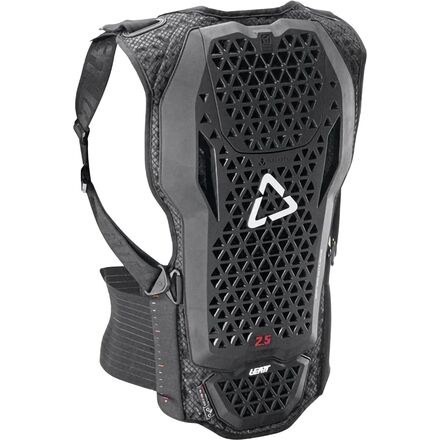
Armored vests protect the chest, torso, and back but not the arms, so pair a vest with armored jackets or separate elbow and shoulder guards for full upper-body coverage.
How do I choose an armored vest for off-road, street, or touring riding?
Pick an off-road vest with lightweight, articulated panels and reinforced shell for impacts and debris; choose a low-profile, breathable vest for street use; and opt for vests with storage, hydration compatibility, and reflective accents for touring.
How do armored vests interact with common gear and bike mods?
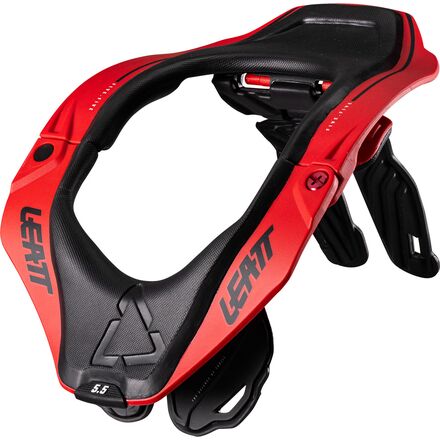
Most vests are designed to layer under or over riding jackets and to work with hydration bladders, chest protectors, and neck braces; choose low-profile or modular designs if you use bulky gear or aftermarket harnesses to avoid interference.
What maintenance and durability checks keep a vest serviceable and safe?
Remove and inspect armor after any impact, keep textile shells clean and air-dried (remove armor before washing), regularly check seams and closures for wear, and replace armor panels if they’re cracked or compromised to maintain protection.