Begin typing to search, when autocomplete results are available use up and down arrows to review and enter to select. Selecting an options will take you to a new page. Touch device users, explore by touch.SEARCH
Search within a riding style, select an optionBegin typing to search, when autocomplete results are available use up and down arrows to review and enter to select. Selecting an options will take you to a new page. Touch device users, explore by touch.
Free shipping on orders over $79 to Illinois
Orders over $79.00 will receive free shipping. This is a residential delivery service, deliveries Monday through Friday from 9:00am to 8:00pm.
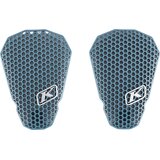
What should I prioritize when choosing HIPS for a street bike?
Prioritize fit compatibility with street bike ergonomics, certified impact absorption like CE Level 1 or 2 or dual‑channel ABS‑equivalent protection, and weather‑resistant, abrasion‑resistant materials with ventilation and reflective panels for visibility.
How do materials and construction affect durability and comfort for urban and highway riding?
Look for puncture‑ and abrasion‑resistant fabrics (Kevlar‑reinforced where available), breathable panels, durable stitching and modular inserts; removable liners and simple care routines extend comfort and service life.
How should HIPS differ between sport bikes and cruisers?
Choose lightweight, low‑profile armor for sport bikes to preserve a crouched posture and agility, and opt for padded, ergonomic shapes with storage‑friendly bulk and water‑resistant finishes for cruiser or long‑distance riding.
What should I check during installation and routine inspections to keep HIPS effective?
Ensure strap routing and fasteners secure armor over impact zones without restricting movement, inspect for abrasion, compressed foam, or loose stitching regularly, and refresh waterproofing or replace damaged inserts after impacts.
How do HIPS interact with common street‑bike mods like aftermarket seats, luggage, or lowered pegs?
Match lower‑profile HIPS to aggressive seats and tucked positions and choose bulkier, luggage‑compatible designs for touring setups; always confirm clearance and strap routing around seats and racks to prevent chafing or restricted motion.