Begin typing to search, when autocomplete results are available use up and down arrows to review and enter to select. Selecting an options will take you to a new page. Touch device users, explore by touch.SEARCH
Search within a riding style, select an optionBegin typing to search, when autocomplete results are available use up and down arrows to review and enter to select. Selecting an options will take you to a new page. Touch device users, explore by touch.
Free shipping on orders over $79 to Illinois
Orders over $79.00 will receive free shipping. This is a residential delivery service, deliveries Monday through Friday from 9:00am to 8:00pm.
What clamp attributes matter most when choosing clamps for street bikes?
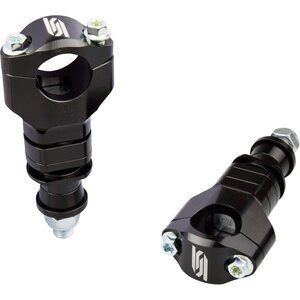
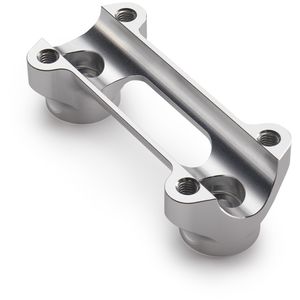
Check clamp inner diameter (standard, wide, or fat-bar), riser bolt spacing, mounting style (two‑bolt vs four‑bolt), material (aluminum vs stainless), and whether bolts use metric or imperial hardware to ensure proper fitment and vibration resistance.
How does mounting style (two‑bolt vs four‑bolt) affect on‑road performance?
Four‑bolt clamps provide better torque resistance and vibration damping for high‑rev and urban riding, while two‑bolt clamps are lighter and suitable for less demanding street use.
Which clamp materials are best for wet-city riding versus performance handling?
Choose corrosion‑resistant stainless finishes for wet or humid conditions and lightweight aluminum clamps when reduced weight and sharper handling are priorities.
What should I inspect during installation and routine checks of handlebar clamps?
Verify bar diameter and riser spacing, use shims or reducers when needed, confirm hardware type is correct, and ensure even clamp pressure and secure fasteners to prevent slippage.
How do clamps interact with common handlebar modifications on street bikes?
When fitting wider or aftermarket bars, select clamps with compatible inner diameter options or use reducers, match riser bolt patterns and hardware type, and opt for more robust mounting if added leverage or vibration is expected.