Begin typing to search, when autocomplete results are available use up and down arrows to review and enter to select. Selecting an options will take you to a new page. Touch device users, explore by touch.SEARCH
Search within a riding style, select an optionBegin typing to search, when autocomplete results are available use up and down arrows to review and enter to select. Selecting an options will take you to a new page. Touch device users, explore by touch.
Free shipping on orders over $79 to Illinois
Orders over $79.00 will receive free shipping. This is a residential delivery service, deliveries Monday through Friday from 9:00am to 8:00pm.
Are mountain bike derailleurs compatible with motorcycle drivetrains?
No — mountain bike derailleurs are made for bicycle drivetrains (cassette systems, 1x/2x setups) and cannot interface with motorcycle roller chains, sprockets, or transmissions; motorcycles require dedicated chains and sprockets.
How do I pick a derailleur that matches my mountain bike setup?
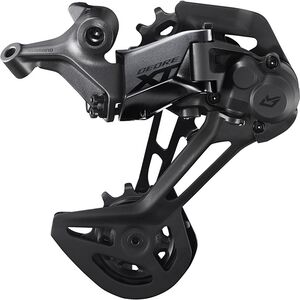
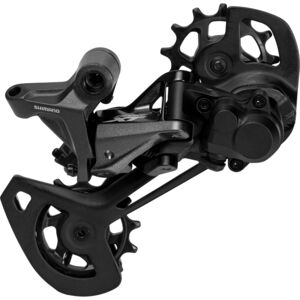
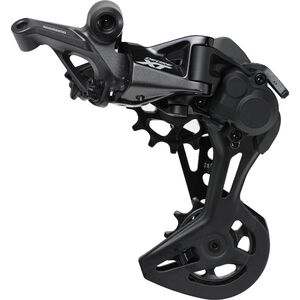
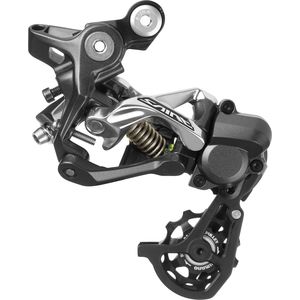
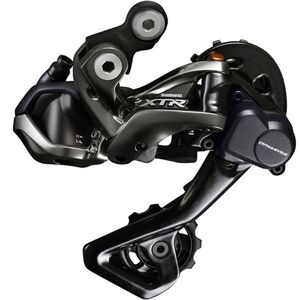
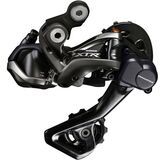
Choose a derailleur that matches your drivetrain brand and speed count, the cassette range you ride, and the appropriate actuation ratio; consider cage length, tooth capacity, mounting style, and whether a clutch is needed for your terrain.
When should I choose a short, medium or long cage derailleur?
Select cage length based on your cassette range and chainring combo—short cages for tighter cassette spreads and lighter weight, longer cages for wide-range setups that need extra chain capacity; incorrect length affects chain retention and shifting.
Do I need a clutch-equipped derailleur for off-road riding?
A clutch-equipped derailleur greatly reduces chain slap and enhances retention on rough, technical terrain, making it a smart choice for aggressive mountain biking and e‑bike use where chain stability matters.
What basic maintenance and installation checks extend derailleur life?
Keep the drivetrain clean and lubricated, verify hanger alignment and cable/hydraulic routing and clearance, use matched-speed components, and inspect moving parts for wear; choosing durable materials and sealed designs helps performance in mud and wet conditions.