Begin typing to search, when autocomplete results are available use up and down arrows to review and enter to select. Selecting an options will take you to a new page. Touch device users, explore by touch.SEARCH
Search within a riding style, select an optionBegin typing to search, when autocomplete results are available use up and down arrows to review and enter to select. Selecting an options will take you to a new page. Touch device users, explore by touch.
Free shipping on orders over $79 to Illinois
Orders over $79.00 will receive free shipping. This is a residential delivery service, deliveries Monday through Friday from 9:00am to 8:00pm.
How do I choose the right motorcycle gaskets for my build?
Prioritize material compatibility with your engine’s heat, pressure, fluids, and environment for reliable sealing and long life; match choices to your service manual specs. For example, pick MLS or graphite for sustained heat, copper or silicone for frequent thermal cycling, and EPDM or neoprene for weather and vibration.
Which gasket materials suit dirt/ADV, street, and cruiser riding?
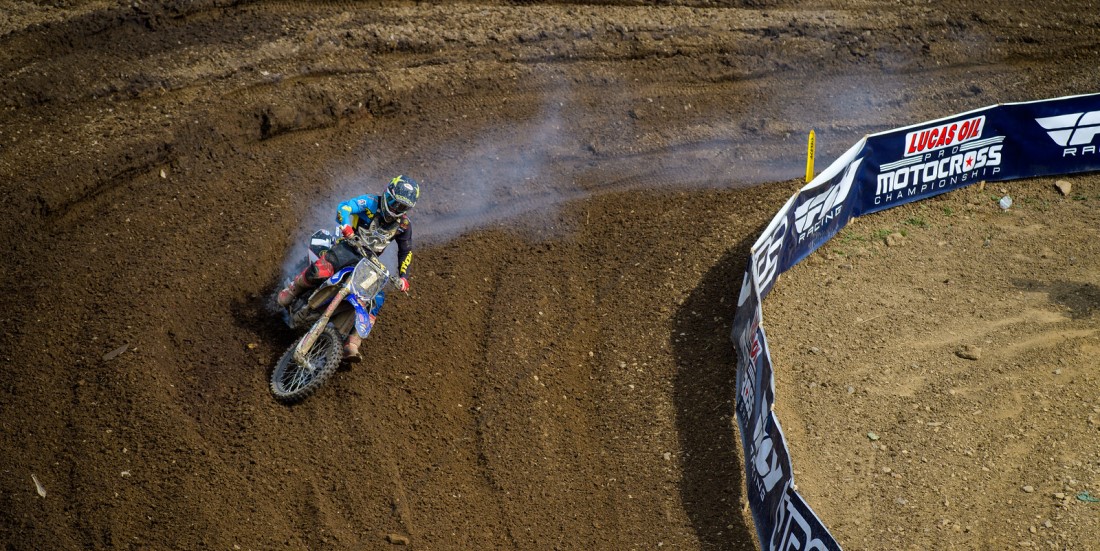
Dirt/ADV riders benefit from flexible, weather‑resistant EPDM or silicone for UV, moisture, and vibration; street performance favors MLS or graphite for high‑heat stability; cruisers often use copper or fiber for even, durable sealing.
What should I use for high‑compression or performance engines?
Select gaskets with low compression set and strong blowout resistance like MLS or reinforced fiber/copper to hold clamp load under pressure. Prepare clean, flat mating surfaces and follow the tightening sequence in your manual for a reliable seal.
What gasket materials best handle oils, fuels, coolants, and exhaust heat?
Choose nitrile or Viton where oil and fuel contact is constant, EPDM for coolant and water exposure, and graphite for high‑heat exhaust joints. Avoid natural rubber in fuel-rich areas.
What installation and care tips help prevent leaks and extend gasket life?
Dry‑fit for alignment, use compatible sealants sparingly, and tighten in the recommended sequence; after initial heat cycles, inspect for any seepage. When possible, select materials that meet recognized automotive standards for durability and chemical safety.