Begin typing to search, when autocomplete results are available use up and down arrows to review and enter to select. Selecting an options will take you to a new page. Touch device users, explore by touch.SEARCH
Search within a riding style, select an optionBegin typing to search, when autocomplete results are available use up and down arrows to review and enter to select. Selecting an options will take you to a new page. Touch device users, explore by touch.
Free shipping on orders over $79 to Illinois
Orders over $79.00 will receive free shipping. This is a residential delivery service, deliveries Monday through Friday from 9:00am to 8:00pm.
How do I choose the right engine guard material for my riding style and terrain?
Pick based on strength versus ductility and corrosion needs: ductile mild steel absorbs slide energy for street and touring, stainless steel resists corrosion for wet/coastal use, lightweight aluminum suits mixed-surface ADV riding but can be more brittle in hard impacts, and heavy‑gauge steel or full bash plates are best for technical off‑road abuse. Choose the material that balances protection, weight, and expected impact types for your riding.
What fitment and clearance features should I check before buying an engine guard?
Look for guards that bolt to frame mounting points, preserve exhaust and swingarm clearance at full travel, and allow oil filter and drain access without removal; avoid designs that require frame drilling or use single-tube/adaptor-mounted solutions that concentrate stress. Confirm the guard maintains or improves ground clearance and doesn’t interfere with common service items.
Which engine guard styles work best for street, ADV, and off‑road riding?
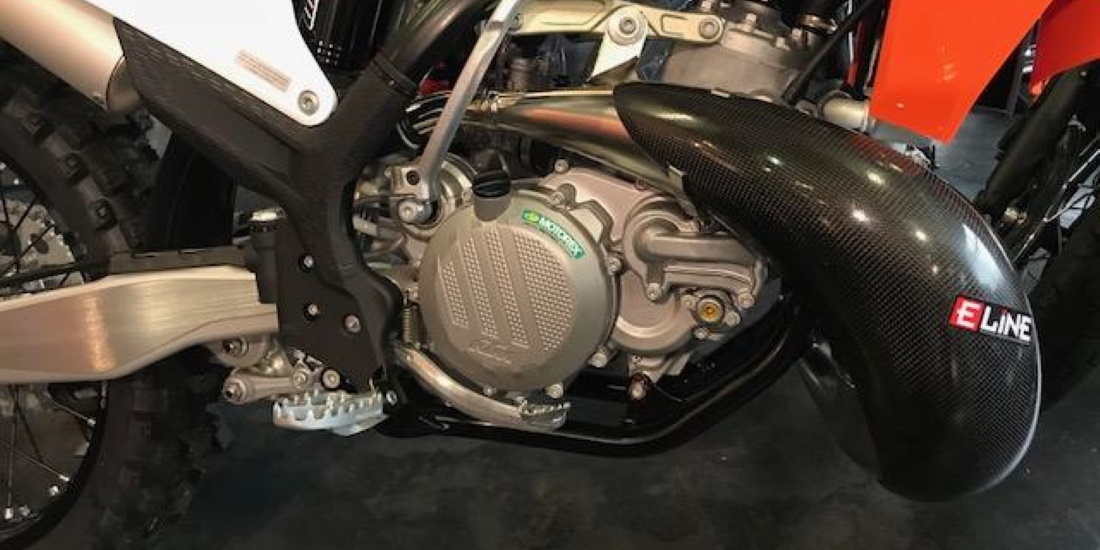
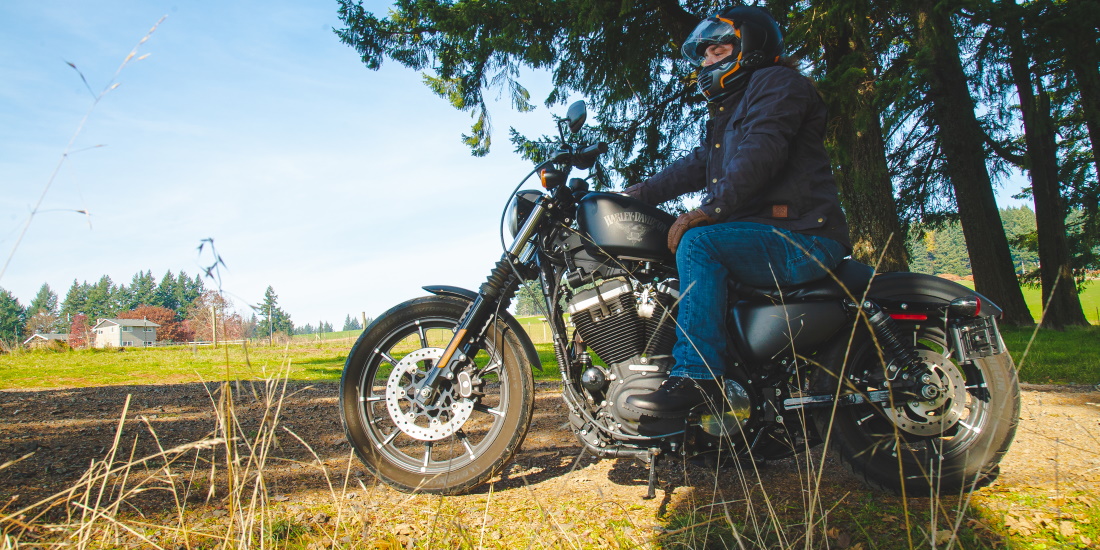
Tubular guards and skid sections with ductile metals suit street and low-speed drops, bolt-on aluminum guards with radiator protection are ideal for mixed-surface ADV use, and full-coverage, high-clearance steel bash plates are best for rocky or technical off‑road riding. Match the style to your terrain to protect vulnerable components while preserving approach angles and clearance.
How will a guard affect routine maintenance and repairs?
Choose guards designed for full service access or quick removal so oil filters, drains, and other service points remain reachable without extensive disassembly, and look for removable panels or bolt-on designs that simplify inspections and routine work. Guards that block access or require removal for every service will add time and complexity to maintenance.
What durability and corrosion protections should I prioritize for riding in wet or salty conditions?
Favor stainless or properly finished (powder‑coated) guards and reinforced mounting hardware to resist corrosion and bolt shear, and look for triangulated bracing and rounded profiles to reduce stress points and snagging. Avoid bare steel finishes and thin, single‑tube designs that are prone to rust and premature failure.