Begin typing to search, when autocomplete results are available use up and down arrows to review and enter to select. Selecting an options will take you to a new page. Touch device users, explore by touch.SEARCH
Search within a riding style, select an optionBegin typing to search, when autocomplete results are available use up and down arrows to review and enter to select. Selecting an options will take you to a new page. Touch device users, explore by touch.
Free shipping on orders over $79 to Illinois
Orders over $79.00 will receive free shipping. This is a residential delivery service, deliveries Monday through Friday from 9:00am to 8:00pm.
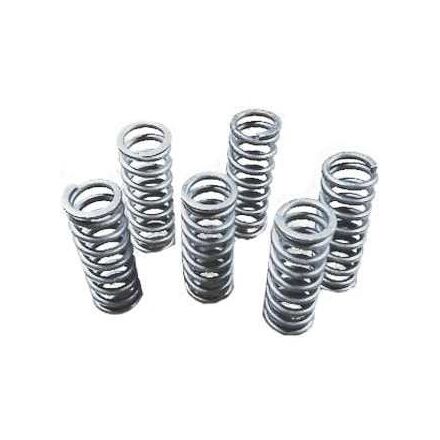
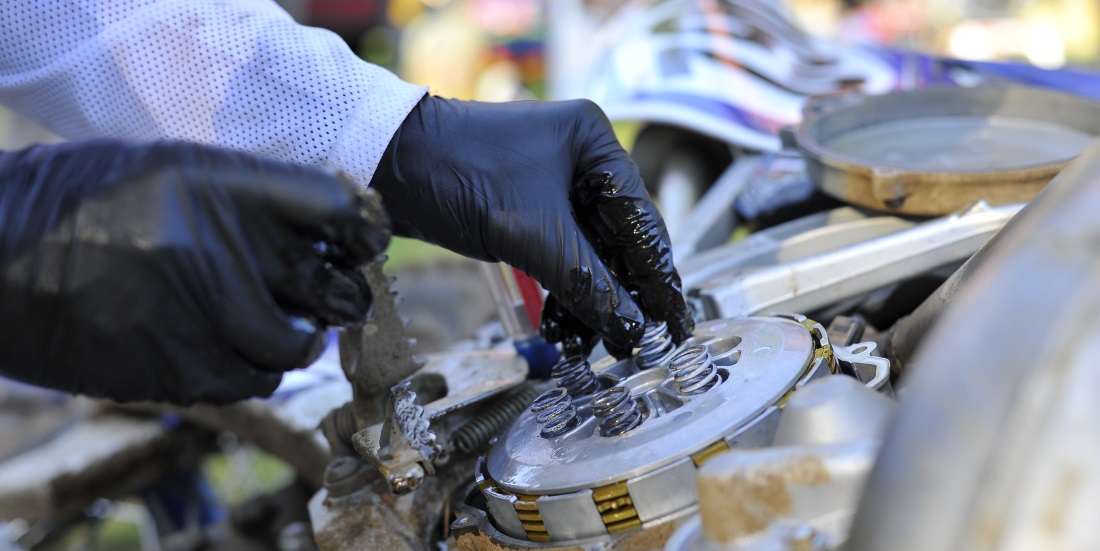
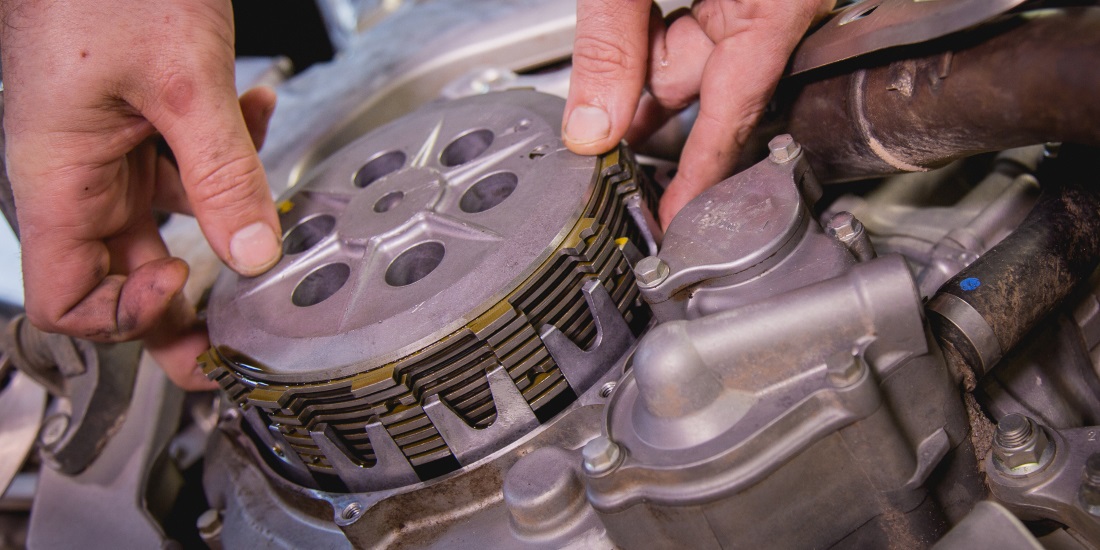
MotoSport.com offers 12 Clutch Springs. A leader in our industry, we know you'll be satisfied with the Clutch Springs you buy from us.
Our Pledge
We want to make your next ride, your best ride. Our Clutch Springs ship for free with orders over $79.
If you need some assistance, we can help. Just give one of our Gearheads a call at 503-783-5645 and they can help you find the best Clutch Springs for you.
What does clutch spring stiffness control and how will it change engagement and acceleration?
Stiffness sets the engagement RPM/preload—stiffer springs delay engagement for quicker, more aggressive launches and snappier acceleration but can raise fuel use and feel sluggish if over‑stiff; softer springs engage earlier for smoother low‑speed control at the expense of off‑the‑line snap.
How do spring materials and construction affect durability and service life?
Springs made from high‑tensile steel or treated alloys resist compression fatigue and breakage better; inspect for loss of tension, uneven compression, or visible wear and replace when engagement feels inconsistent.
Which clutch spring type should I choose for different ride types and terrains?
Pick softer springs for technical off‑road and cruising to preserve low‑speed control, medium stiffness for mixed adventure and street use for balanced torque and drivability, and stiffer springs for aggressive ATV/UTV or performance riding where quicker engagement is needed.
How do clutch springs interact with engine modifications, rider weight, and CVT setups?
Heavier loads or higher power typically require stiffer springs to maintain crisp engagement, while CVT systems need careful spring rate selection to avoid resonance and odd shift points—step up stiffness gradually and test changes rather than jumping multiple grades.
What should I know about installation, inspection, and routine maintenance?
Installation is typically a straightforward swap but confirm alignment and clearances, check springs regularly for tension loss or fatigue, and replace in matched sets to maintain consistent engagement and longevity.