Begin typing to search, when autocomplete results are available use up and down arrows to review and enter to select. Selecting an options will take you to a new page. Touch device users, explore by touch.SEARCH
Search within a riding style, select an optionBegin typing to search, when autocomplete results are available use up and down arrows to review and enter to select. Selecting an options will take you to a new page. Touch device users, explore by touch.
Free shipping on orders over $79 to Illinois
Orders over $79.00 will receive free shipping. This is a residential delivery service, deliveries Monday through Friday from 9:00am to 8:00pm.
What should I prioritize when choosing dirt bike mirrors for off-road use?
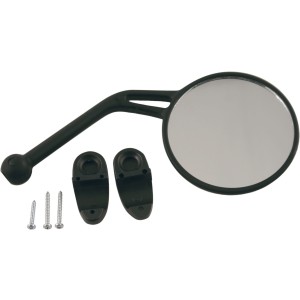
Focus on vibration resistance, shatter-resistant lenses, secure mounting that matches your bike’s threads, and rugged hardware that can handle impacts and rough terrain. Folding or breakaway designs add extra protection on tight trails.
Which mirror materials and designs last longest in dirt and mud?
Polycarbonate or acrylic lenses resist shattering, with aluminum or stainless mounts to fight corrosion; rubber-damped joints help absorb trail shock. Lightweight options with sturdy pivots keep the view steadier over whoops and rocks.
How do mounting styles impact stability and compatibility on a dirt bike?
Bar-end or clamp-on mounts work well—match your bike’s thread type and handlebar size, and choose hardware that locks down firmly to prevent loosening. Check clearance with handguards, cables, and levers to avoid interference.
What mirror size and lens shape work best for trail riding visibility?
Compact, convex mirrors deliver a wide field of view with less wind catch and weight, reducing vibration blur. Avoid oversized, flat mirrors that tend to wobble on rough sections.
Any setup and maintenance tips for mirrors in wet or muddy conditions?
Use ball joints or anti-vibration bushings for quick, stable adjustments and fold the mirrors when navigating branches. Rinse off grit, inspect fasteners regularly, and favor sealed housings and corrosion-resistant metals; DOT/E-marking can indicate reliable optical quality.