Begin typing to search, when autocomplete results are available use up and down arrows to review and enter to select. Selecting an options will take you to a new page. Touch device users, explore by touch.SEARCH
Search within a riding style, select an optionBegin typing to search, when autocomplete results are available use up and down arrows to review and enter to select. Selecting an options will take you to a new page. Touch device users, explore by touch.
Free shipping on orders over $79 to Illinois
Orders over $79.00 will receive free shipping. This is a residential delivery service, deliveries Monday through Friday from 9:00am to 8:00pm.
What types of temperature sensors are used for cruiser motorcycles?
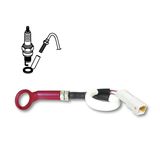
Cruiser temperature sensors commonly monitor engine oil, coolant, and cylinder head temperatures; common types include RTD (PT100/PT1000) for precise oil/coolant readings, thermocouples for fast, rugged head/exhaust sensing, NTC thermistors for budget oil monitoring, and infrared or wireless/fiber options for non-contact or EMI-prone setups.
How should I choose a sensor based on accuracy, response speed, durability, and compatibility?
Choose based on the priority you need—RTDs for high accuracy and stable readings, thermocouples for fast response and vibration resistance, thermistors for low-cost monitoring, and fiber/wireless for EMI and vibration immunity—then confirm waterproofing, vibration ratings, and connector compatibility with your dash or tuner.
Which sensor types work best for air-cooled versus liquid-cooled cruiser engines?
Air-cooled V-twins generally benefit from RTD or thermocouple sensors for oil and cylinder head monitoring, with sensor location affecting readings since the rear cylinder typically runs hotter, while liquid-cooled cruisers favor thermo resistor-style sensors for precise coolant and oil measurements.
How do terrain and weather affect sensor selection for a cruiser?
Select RTDs or fiber optics for sustained high-heat riding, thermocouples for cold-start or stop-and-go heat spikes, sealed RTDs or fiber for high-humidity and rainy use, and infrared or wireless options when dust or debris make exposed probes undesirable.
What installation and maintenance should I expect, and how do common mods affect sensor choice?
Installation ranges from dipstick or cylinder-embedded probes to wireless installs—check thread and probe specifications and choose sealed connectors and anti-shock mounts for vibration-prone cruisers; inspect wiring and seals regularly, and consider fiber-optic or EMI-resistant options if you run high-output or heavily modified electrical systems.