Begin typing to search, when autocomplete results are available use up and down arrows to review and enter to select. Selecting an options will take you to a new page. Touch device users, explore by touch.SEARCH
Search within a riding style, select an optionBegin typing to search, when autocomplete results are available use up and down arrows to review and enter to select. Selecting an options will take you to a new page. Touch device users, explore by touch.
Free shipping on orders over $79 to Illinois
Orders over $79.00 will receive free shipping. This is a residential delivery service, deliveries Monday through Friday from 9:00am to 8:00pm.
What should I prioritize when choosing a replacement windscreen for a cruiser?
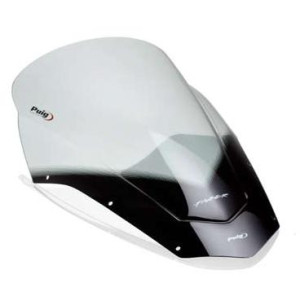
Prioritize compatibility with your cruiser’s make, fairing and mounting style, choose a height that matches your seated riding posture so you look slightly over rather than through it, and pick durable polycarbonate construction for long-term impact and scratch resistance.
How do size, height, and shape affect highway comfort and visibility?
Size and height control where airflow meets your helmet—shorter for solo or aggressive riding, taller for two-up or long-distance touring—while shapes with a flip top and side hips redirect air upward to reduce turbulence, fatigue, and crosswind effects.
Which materials and tints are best for durability and riding conditions?
Opt for polycarbonate for superior impact and scratch resistance; choose clear or light tints for low-light and rain, dark smoke to cut glare in bright sun, and solid black for style while riding with a look-over posture.
How do mounting styles affect installation and fitment priority?
Confirm the windscreen’s mounting style (quick-release versus permanent) and check alignment and clearances during install; many are bolt-on with basic tools, but professional installation is recommended if your bike has added fairing mods or complex hardware.
How well do cruiser windscreens perform across terrain, riding styles, and weather?
Cruiser windscreens are optimized for paved roads and highway/touring use—taller, wider screens for long-haul and crosswind protection, shorter recurved screens for solo/backroad agility—and they’re not intended for off-road dirt or UTV terrain.